
What Is Cooking Utensils
📖 Table of Contents
- Understanding the Basics of Cooking Utensils
- The Role of Cooking Utensils in a Functional Kitchen
- Identifying Different Types of Cooking Utensils
- How Cooking Utensils Enhance Kitchen Efficiency
- Choosing the Right Cooking Utensils for Your Kitchen
- Storing Your Cooking Utensils Effectively
- The Impact of Cooking Utensils on Kitchen Workflow
- Make It Your Way
- Frequently Asked Questions
The first time I walked into a well-organized kitchen, I was struck by how much of a difference a few well-chosen tools could make. I remember standing by the counter, watching my friend effortlessly reach for a spatula, a ladle, and a whisk—all within arm’s reach. That moment made me realize how much of a role cooking utensils play in the flow of a kitchen. But what exactly are cooking utensils? In the DIY and furniture world, we often talk about tools and materials, but the term ‘cooking utensils’ can be a bit confusing. It’s not just about pots and pans; it’s about the small, everyday items that make cooking and cleaning more efficient.[1]
In the world of DIY and furniture, I often find myself helping people create functional and beautiful spaces. Whether it’s building a custom kitchen cabinet or designing a countertop organizer, I’ve realized that the right tools are essential for any project. When I first started working on my own kitchen, I was overwhelmed by the sheer number of utensils I had. I didn’t understand what each one was for, and I certainly didn’t know how to organize them. That’s when I began to appreciate what cooking utensils really are—not just the tools you use while cooking, but also the ones that help you store, clean, and manage your kitchen efficiently.[2]
Now, as I look back on that time, I see how much I’ve learned. Cooking utensils are more than just functional items; they’re a part of the kitchen’s ecosystem. From cutting boards to colanders, from ladles to tongs, each tool has its own purpose and place. Understanding what cooking utensils are helps not only in organizing your kitchen but also in making the most out of your DIY projects. It’s about creating a space that’s not only beautiful but also practical, and that’s something I’ve come to value deeply over the years.[3]
Why You'll Love This Project
- You’ll learn how to identify and categorize different cooking utensils for efficient kitchen organization.
- You’ll gain hands-on experience in building a custom wooden utensil holder that matches your kitchen’s style.
- You’ll discover how the right tools can streamline your cooking and cleaning processes.
- You’ll feel a sense of accomplishment as you complete a functional, DIY kitchen accessory.
Understanding the Basics of Cooking Utensils
As of September 2026, at first glance, cooking utensils might seem like a simple category, but in reality, they encompass a wide range of items, each with its own specific purpose. I remember the first time I tried to sort through my kitchen tools and realized that I had everything from a whisk to a spatula, a ladle to a colander. Understanding the difference between them is crucial for organizing your kitchen and making your DIY projects more efficient.[4]
When I started working on my kitchen, I spent hours sorting through my utensils. I categorized them based on their function—cutting, stirring, scooping, and serving. This helped me see which items were used daily and which ones were more for special occasions. It also made it easier to identify which tools needed more attention, like sharpening a knife or replacing a worn-out whisk.
By the end of the process, I had a much clearer idea of what cooking utensils actually were. It wasn’t just about the tools I used while cooking; it was also about the ones that helped me clean up, store items, and keep my kitchen running smoothly. This understanding made a big difference in how I approached my DIY projects, especially when it came to creating storage solutions.
Before starting your DIY project, spend time sorting your utensils. Group them by function and frequency of use to determine what you need to build or store.
Part of our Wooden utensils for cooking guide guide.
The Role of Cooking Utensils in a Functional Kitchen
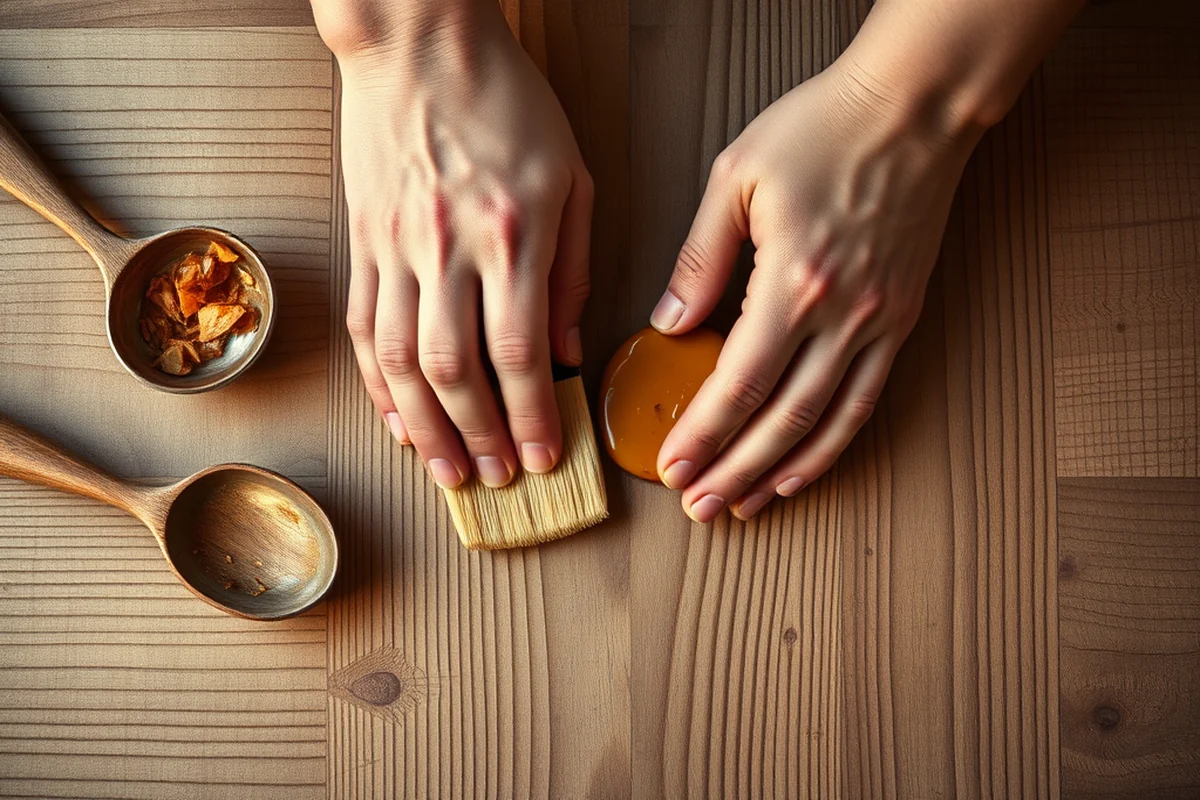
I used to think that cooking utensils were only the tools I used while cooking, like spoons and knives. But as I started working on my kitchen project, I realized how much these items influence the functionality of the space. For example, a well-placed cutting board or a properly stored ladle can make a big difference in how efficiently I work in the kitchen.
During my DIY process, I noticed that having the right tools in the right places made a huge difference. I had a hard time accessing my mixing bowls when they were in a cabinet that was too high. After I created a custom storage solution, I was able to reach everything I needed without standing on a chair or stretching awkwardly.
This experience taught me that cooking utensils are more than just tools; they’re part of the kitchen’s overall design. When you build your own storage solutions, like a wooden utensil holder, you’re not just creating a place to store tools—you’re making your kitchen more efficient and user-friendly.
A well-organized kitchen starts with understanding the role of every utensil.
Related: Acacia wood for utensils
Related: Acacia wood for kitchen utensils
Related: What Is Silicone Cooking Utensils
Related: Wood For Cooking Utensils
Identifying Different Types of Cooking Utensils
One of the first things I did when I started working on my kitchen project was to identify the different types of cooking utensils I had. I made a list of everything from spoons and ladles to tongs and colanders. This helped me understand which tools were essential and which ones could be replaced or upgraded.
I was surprised to find that I had multiple types of ladles, some for soups and others for sauces. I also had several types of spoons, each with different purposes. This exercise made me realize that not all utensils are interchangeable, and some are better suited for specific tasks.
By taking the time to identify and categorize my utensils, I was able to create a more organized kitchen. This understanding also helped me in my DIY project, as I knew exactly what I needed to build or store, and how to arrange everything for maximum efficiency.
Make a checklist of all the utensils you have and their functions. This will help you determine what you need to store or replace.
“The first time I walked into a well-organized kitchen, I was struck by how much of a difference a few well-chosen tools could make.”— DIY Wooden Utensil Holders editors
Related: Best wooden utensils for cooking
Related: What is eating utensils
How Cooking Utensils Enhance Kitchen Efficiency
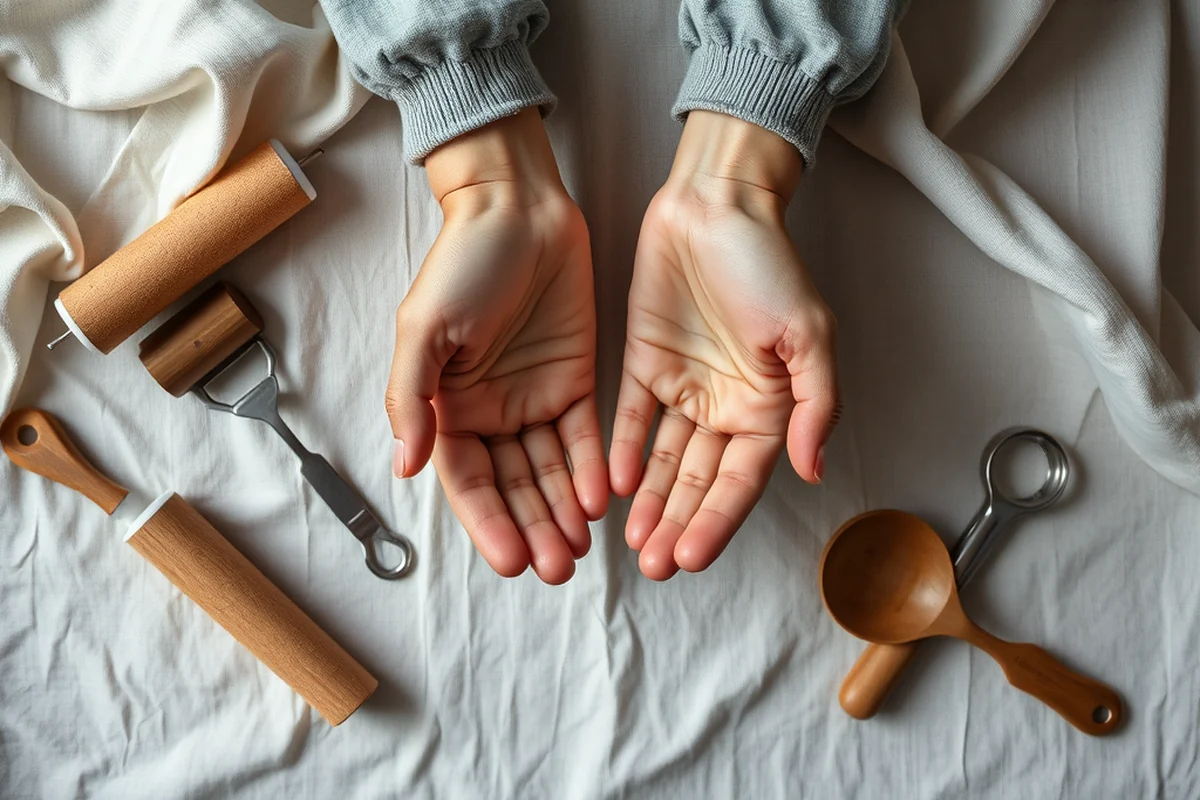
After sorting through my utensils and creating a custom wooden holder, I noticed a significant improvement in my kitchen’s efficiency. I used to spend a lot of time searching for the right tool, which was frustrating and time-consuming. Now, everything is within reach, and I can find what I need in seconds.
One of the biggest changes I noticed was in my cooking process. I was able to move from one task to another more smoothly, and I no longer had to interrupt my workflow to look for a missing tool. This made my cooking faster and more enjoyable.
The efficiency gained from having the right tools in the right place was a game-changer. It not only made my cooking more efficient but also reduced the time I spent cleaning up, as I could easily access the right tools for each task.
Related: Wooden spoons for cooking
Choosing the Right Cooking Utensils for Your Kitchen
When I was working on my kitchen project, I had to make a decision about which utensils to keep and which ones to replace. I realized that not all utensils were created equal. Some were made of high-quality materials, while others were cheap and wore out quickly.
I also considered how the utensils fit into my kitchen’s design. I wanted my tools to match the overall look and feel of the space, so I opted for a few wooden utensils that complemented my cabinets and countertops.
This process taught me that choosing the right cooking utensils is an important part of creating a functional and beautiful kitchen. It’s not just about having the right tools—it’s about having the right ones that fit your lifestyle and your space.
Storing Your Cooking Utensils Effectively
One of the biggest challenges I faced during my kitchen project was finding the right way to store all my utensils. I had too many and not enough space. That’s when I decided to build a custom wooden utensil holder, which not only solved my storage problem but also added a decorative touch to my kitchen.
I spent time researching different storage options and found that vertical storage solutions were the most effective. I built a small, vertical rack that could hold all my utensils, from ladles to tongs, without taking up much space.
Now, everything has its place, and I can easily find what I need when I need it. This not only keeps my kitchen organized but also makes my cooking process more efficient.
Proper storage is the key to a functional and organized kitchen.
The Impact of Cooking Utensils on Kitchen Workflow
After organizing my kitchen and creating a custom utensil holder, I noticed a significant change in my workflow. I used to spend a lot of time searching for the right tool, which was frustrating and time-consuming. Now, everything is within reach, and I can find what I need in seconds.
I was also able to streamline my cooking process by having the right tools in the right places. This made my cooking faster and more enjoyable, and I no longer had to interrupt my workflow to look for a missing tool.
The impact of having the right cooking utensils on my kitchen workflow was profound. It not only made my cooking more efficient but also reduced the time I spent cleaning up, as I could easily access the right tools for each task.
💰 Budget Build
Use affordable materials like pine or MDF for a no-frills, functional utensil holder that fits any budget.
⏰ Weekend Version
A quick, easy build that can be completed in a single day using basic tools and minimal materials.
✨ Upgraded Finish
Add a polished look with stain, paint, or wood finishes to give your utensil holder a custom, professional appearance.
🏠 Small-Space Adaptation
Create a compact, vertical storage solution that’s perfect for small kitchens or narrow countertops.
🔒 Rental-Safe Option
Build a removable, non-damaging holder that can be easily taken down without leaving any marks or damage.
| The mistake | Why it happens | The fix |
|---|---|---|
| Not measuring accurately | Inaccurate measurements can lead to a poorly fitting or unstable utensil holder. | Always double-check your measurements and mark them clearly before cutting. |
| Using the wrong type of wood | Using a wood that is too soft or too hard can affect the durability and ease of construction. | Choose a wood that is suitable for the project, such as pine or MDF, which are both affordable and easy to work with. |
| Neglecting to sand the wood | Skipping the sanding step can result in splinters and an uncomfortable surface. | Take the time to sand all edges and surfaces to ensure a smooth and safe finish. |
| Not securing the joints properly | Weak joints can cause the utensil holder to come apart over time. | Use wood glue and screws to reinforce all corners and joints for maximum stability. |
| Overloading the holder | Putting too many utensils in the holder can cause it to warp or collapse. | Distribute the weight evenly and avoid overfilling the holder with too many items. |
What Is Cooking Utensils
Common Questions
What tools do I need to build a utensil holder?
Can I use a different type of wood for my utensil holder?
How long does it take to build a utensil holder?
How do I ensure my utensil holder is sturdy?
References
- Keep it simple: How to use adaptive cooking devices (blogs.bcm.edu)
- Position Description - Commonwealth of Pennsylvania (careers.employment.pa.gov)
- Cooktops and Cookware - USU Digital Commons (digitalcommons.usu.edu)
- Blog post: On the dynamics of kitchen utensils: Icebreakers ... (einhorn.cornell.edu)
Cite this guide
DIY Wooden Utensil Holders (2026). What Is Cooking Utensils. https://makergrain.com/what-is-cooking-utensils/
Feel free to cite or share this guide.