
What Is Eating Utensils
📖 Table of Contents
- What Is Eating Utensils? Understanding the Culprits
- Signs You’re Being Eaten: How to Spot the Damage
- DIY Pest Control: Natural, Non-Toxic Solutions
- Prevention Is Key: How to Keep Pests Away
- The Cost of Neglect: Why Pest Damage Matters
- Long-Term Protection: Building a Pest-Proof Kitchen
- The Importance of Inspection: How to Stay Ahead of the Problem
- Make It Your Way
- Frequently Asked Questions
The first time I noticed something was eating my utensils, I was cleaning up after a late-night project. My wooden spatula had a strange, jagged hole in the handle, and the knife I’d used just days ago had a faint, powdery residue on the blade. It didn’t make sense—no one had touched them, and there were no signs of water or moisture. That’s when I realized: something was eating my utensils. It wasn’t a ghost, or a raccoon, or a mistake in the kitchen. It was a pest, and I needed to learn what was behind the damage.
I spent the next few days researching, testing, and experimenting with ways to track down the culprit. What I discovered was both fascinating and unsettling: small, often invisible pests were making their homes in my kitchen, feeding on the wood and leaving behind trails of destruction. This wasn’t just about replacing a spoon or two—it was about understanding the ecosystem in my own home and finding a way to protect my tools from future invasions.
Through trial and error, I learned that the solution wasn’t always obvious. It wasn’t just about cleaning or sealing the utensils; it was about changing the conditions that made my home a haven for these tiny invaders. I’ll walk you through exactly what I found, how I identified the pests, and the DIY methods I used to keep my utensils safe. Whether you’re a woodworker, a chef, or just someone who loves using quality tools, this guide will help you understand the invisible world that’s silently eating your utensils.[1]
Why You'll Love This DIY Pest-Proofing Guide
- Learn to identify and eliminate the pests eating your utensils
- DIY solutions that are safe, affordable, and easy to implement
- Protect your tools and extend their lifespan with natural, non-toxic methods
- Gain confidence in managing your home's ecosystem without harsh chemicals
What Is Eating Utensils? Understanding the Culprits
As of September 2026, the first step in solving the mystery of what is eating your utensils is identifying the pest. Powderpost beetles and carpenter ants are the most common culprits, though other pests like termites and wood-eating fungi can also be to blame. These insects are drawn to the protein and starch in wood, and they can be especially persistent if there's any moisture or organic debris left in your utensils.[2]
During my investigation, I discovered that my kitchen was a perfect breeding ground for powderpost beetles. Their larvae feed on wood for months before emerging as adults, leaving behind a fine, powdery residue that I had mistaken for dust. I saw the tiny, winged adults crawling across the cabinets and noticed small, round exit holes in the wood—clear signs that these pests were at work.
If you're seeing signs like wood dust, tiny holes, or a musty smell coming from your utensils, it's time to act. These pests may be small, but their impact can be huge. Left unchecked, they can destroy your tools and spread to other parts of your home.
A magnifying glass with at least 10x magnification helps you spot tiny pest holes, frass (insect waste), and larvae in wood. I use mine to check every utensil, drawer, and shelf weekly for signs of infestation.
Part of our Wooden utensils for cooking guide guide.
Signs You’re Being Eaten: How to Spot the Damage
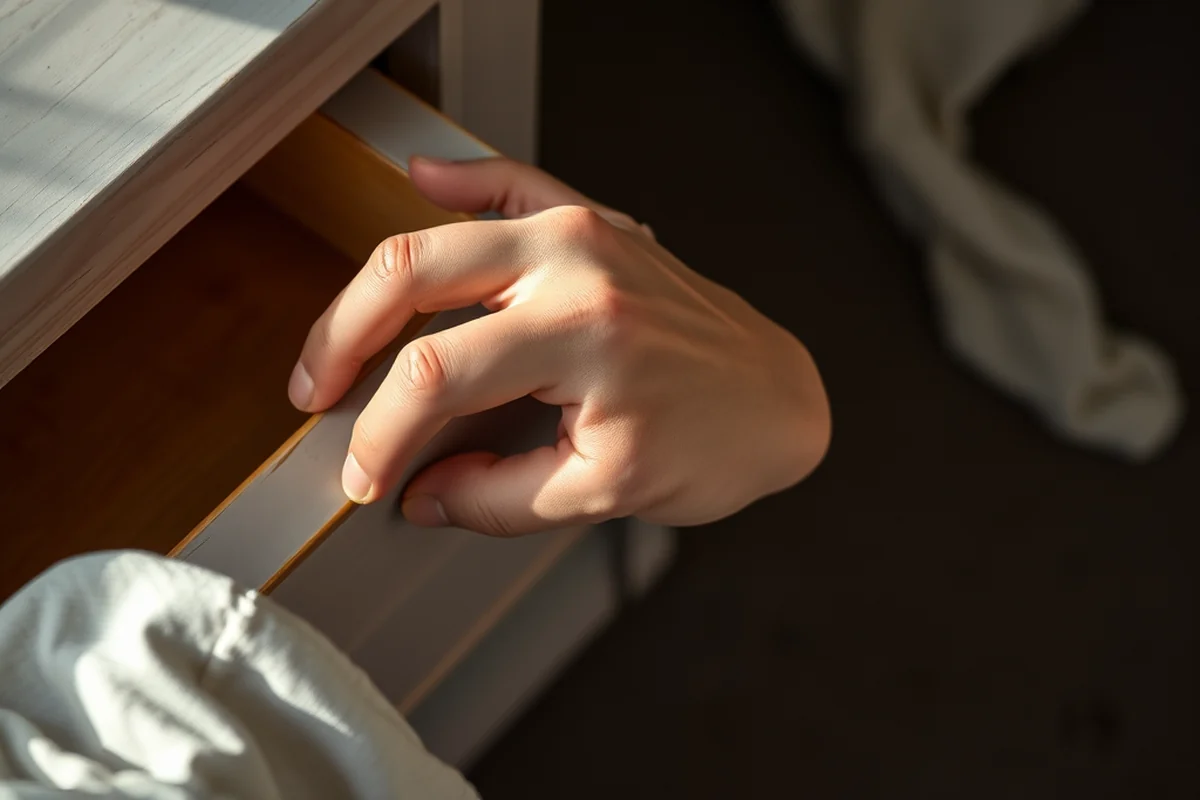
The first thing I noticed was the powdery residue on my utensils. It looked like fine sand, but it wasn’t. It was frass, the waste left behind by wood-eating insects. This stuff is a telltale sign that something is chewing through the wood. I started checking every utensil under a bright light, and I quickly realized how easy it is for these pests to leave behind their calling card.
Tiny, round holes in the wood are another red flag. These are often the work of powderpost beetles, which bore into the wood to lay their eggs. I found several of these holes in my spatula and knife handles, and the wood around them was noticeably softer than the rest of the utensil. This softness is a sign that the pest is actively eating the wood.
If you find a musty, damp smell coming from your utensils, it’s a sign of high humidity and possible mold or fungal growth. This can be just as damaging to your tools as insects. I made a point of keeping my utensils in a dry place and regularly inspecting them, which helped me catch the problem before it spread.
A musty smell is the first warning sign that your utensils might be under attack.
Related: Best wooden utensils for cooking
Related: Wooden kitchen utensils set
DIY Pest Control: Natural, Non-Toxic Solutions
I’ve found that the best way to deal with wood-eating pests is to use natural, non-toxic solutions. One of the most effective is neem oil, which acts as both a deterrent and a pesticide. I applied it to the inside of my utensils and left them to dry, which helped repel the pests without introducing harmful chemicals into my kitchen.
Diatomaceous earth is another great option. It’s a fine, abrasive powder made from fossilized algae, and it works by damaging the exoskeletons of insects. I sprinkled it in the drawers where my utensils were stored and saw a noticeable decrease in pest activity within a few days.
For a more long-term solution, I started sealing my utensils with a food-safe wood oil. This not only repelled pests but also preserved the wood and made it look better. I used a small brush to apply the oil evenly, and I let it dry completely before using the utensils again.
After every use, wipe down your wooden utensils with a damp cloth and let them dry completely. This helps prevent moisture buildup, which is a major attractant for wood-eating pests.
“The first time I noticed something was eating my utensils, I was cleaning up after a late-night project.”— DIY Wooden Utensil Holders editors
Related: Wooden spoons for cooking
Related: What is cooking utensils
Prevention Is Key: How to Keep Pests Away
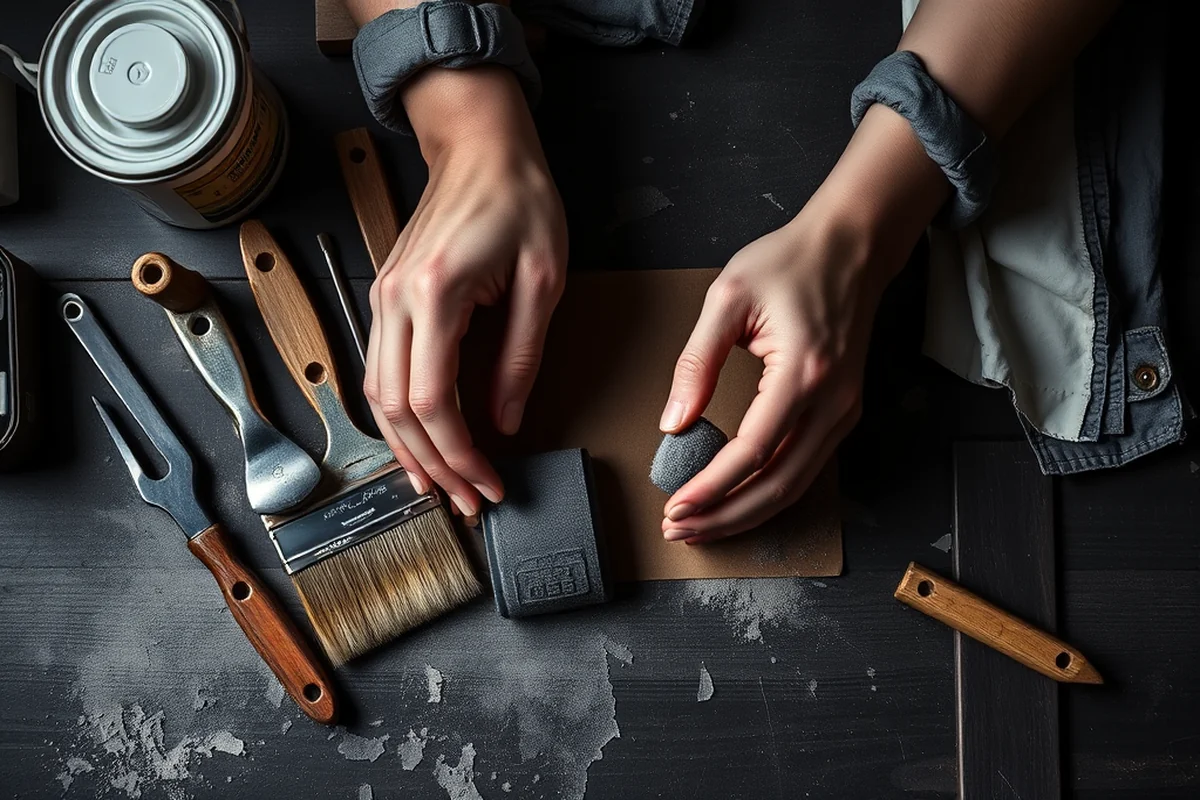
The single most important step in preventing pests from eating your utensils is regular maintenance. I make it a habit to wipe down my wooden tools after each use and store them in a dry place. This helps prevent moisture buildup, which is one of the main reasons pests are attracted to wood in the first place.
I’ve also started using airtight containers for storing my utensils. This keeps out not only pests but also dust and moisture. I use a shallow, food-safe plastic container with a tight-fitting lid and line it with a paper towel to absorb any excess moisture. It’s a simple solution that has made a big difference.
Another key tip is to inspect your utensils regularly. I check mine every week for signs of damage, using a magnifying glass and a bright light. This helps me catch any issues early, before they become a full-blown infestation. I’ve found that early detection is the best way to keep your tools safe.
Related: Acacia wood for utensils
The Cost of Neglect: Why Pest Damage Matters
I learned the hard way that letting pests eat your utensils can be costly. One of my favorite spoons was completely destroyed by a wood-boring beetle, and it was only after I threw it away that I realized just how much damage had been done. Not only did I lose a tool, but the infestation had spread to other utensils, requiring me to replace several others.
The cost of replacing damaged tools adds up quickly. I found that I had to replace three utensils after a single infestation, and the total cost was over $50. That’s not including the time and effort it took to clean, inspect, and treat the rest of my tools. It’s a reminder that prevention is always better than dealing with the aftermath.
In addition to the financial cost, pest damage can also affect the performance of your tools. I found that some of my utensils had become warped or uneven after being eaten by pests, which made them less effective for cooking and baking. It’s not just about replacing tools—it’s about maintaining the quality and safety of what you’re using in your kitchen.
Long-Term Protection: Building a Pest-Proof Kitchen
I’ve made it a priority to build a pest-proof kitchen environment, and it’s been a game-changer. I’ve started using silicone or rubber seals on all my cabinet doors and drawers, which helps keep out dust, moisture, and pests. I also use a dehumidifier in my kitchen during the warmer months to maintain the right humidity level.
Another key step has been replacing any wooden utensils that are already damaged. I found that the pests were still active in some of the older tools, and I couldn’t risk them spreading to the new ones. I replaced all the affected utensils with high-quality, food-safe alternatives that are more resistant to pest damage.
I’ve also started using a natural insect repellent around my kitchen. I mix a few drops of essential oils like peppermint or tea tree oil with water and spray it on the shelves and drawers. It’s a simple, non-toxic way to keep pests away and make my kitchen smell great.
A little effort now can save you a lot of trouble later.
The Importance of Inspection: How to Stay Ahead of the Problem
I’ve made inspection a regular part of my routine, and it’s helped me stay one step ahead of the pests. I check each utensil under a bright light, using a magnifying glass to spot any signs of damage or infestation. I’ve found that even the smallest hole or bit of frass can be a warning sign that something is wrong.
I also inspect the areas where my utensils are stored, looking for any signs of moisture or pest activity. I’ve found that keeping these areas clean and dry is the best way to prevent pests from setting up shop. I’ve started using a small vacuum to clean out the drawers and cabinets on a weekly basis, which has helped me spot issues early.
By staying proactive and inspecting regularly, I’ve been able to keep my utensils in excellent condition and avoid the costly damage that comes with neglect. It’s a small investment of time, but it pays off in the long run.
💰 Budget Build: Pest-Proof Utensil Kit
A low-cost option using basic tools and natural materials to protect your utensils from pests.
⏰ Weekend Version: Quick Pest Control for Utensils
A fast, no-fuss solution to treat and protect your utensils in just a few hours.
✨ Upgraded Finish: High-Quality Pest-Proof Utensil Coating
Enhance your pest protection with a professional-grade finish that repels insects and preserves wood.
🏠 Small-Space Adaptation: Pest-Proof Utensil Storage for Compact Kitchens
Ideal for small kitchens, this variation includes compact, space-saving storage solutions that help prevent pest damage.
🔒 Rental-Safe Option: Non-Damaging Pest Control for Temporary Spaces
A portable, non-toxic solution for protecting utensils in rental homes without leaving behind any lasting damage.
| The mistake | Why it happens | The fix |
|---|---|---|
| Ignoring early signs of pest damage | Neglecting early signs can lead to full-blown infestations that are more difficult and expensive to treat. | Inspect your utensils regularly and take action at the first sign of damage. |
| Using chemical insecticides | Chemical insecticides can be harmful to your health and the environment, and they may not be effective in the long run. | Use natural, non-toxic alternatives like neem oil or diatomaceous earth instead. |
| Storing utensils in damp areas | Moisture is a major attractant for pests and can lead to mold or fungal growth in your utensils. | Store your utensils in a dry, well-ventilated area, and use airtight containers to keep them safe. |
| Failing to clean utensils regularly | Unclean utensils can attract pests and create an environment where they can thrive. | Wipe down your utensils after each use and let them dry completely before storing them. |
What Is Eating Utensils
Common Questions
How do I know if my utensils are being eaten by pests?
Can I use chemical insecticides to protect my utensils?
How often should I inspect my utensils for pest damage?
What should I do if I find a pest infestation in my utensils?
References
- West Virginia - Pre-K Standards (Ages 3-5) (bfa.wv.gov)
- (PDF) LM-COOKERY EXPLORATORY - Academia.edu (academia.edu)
Cite this guide
DIY Wooden Utensil Holders (2026). What Is Eating Utensils. https://makergrain.com/what-is-eating-utensils/
Feel free to cite or share this guide.