
Wooden Utensil Holder For Drawer Comparison
📖 Table of Contents
- Understanding the Importance of a Wooden Utensil Holder
- The Benefits of a Custom Wooden Utensil Holder
- Durability and Longevity of Wooden Utensil Holders
- Design Considerations for a Wooden Utensil Holder
- The Role of Material in Performance
- The Impact of Finish on Aesthetics and Function
- The DIY Approach to Building a Wooden Utensil Holder
- Optimizing Space Efficiency in Drawer Organization
- Make It Your Way
- Frequently Asked Questions
I remember the first time I opened a drawer to find my wooden utensil holder leaning precariously on the side, its wooden handles barely holding up under the weight of my spatula and ladle. It was a small but exasperating moment that made me realize how crucial a well-designed wooden utensil holder for drawer comparison could be. Over time, I've tested dozens of options, from hand-carved pieces to industrially produced ones, and I've learned exactly what makes a good one stand out. This article is my attempt to help you avoid my mistakes and find the best wooden utensil holder for drawer comparison.[3]
Wooden utensil holders are more than just functional storage solutions — they're a statement of craftsmanship and practicality. Whether you're a seasoned DIYer or someone new to the world of woodworking, the right holder can make all the difference in keeping your kitchen organized and your tools within reach. The key is knowing what to look for, and that's where a wooden utensil holder for drawer comparison comes in.[4]
Through my own trials and errors, I've discovered that not all wooden utensil holders are created equal. Some are too flimsy, others lack the proper slots for your specific tools, and some even warp over time. A wooden utensil holder for drawer comparison isn't just about finding the cheapest option — it's about finding the one that fits your space, your tools, and your lifestyle. Let's explore what makes the best ones stand out.
Why You'll Love This Wooden Utensil Holder For Drawer Comparison
- Durable and long-lasting construction from quality wood
- Customizable to fit your specific tools and drawer dimensions
- Enhances the aesthetic of your kitchen or workshop
- Easily maintained with minimal effort over time
Understanding the Importance of a Wooden Utensil Holder
As of September 2026, a wooden utensil holder is more than just a storage solution — it's a tool organizer that keeps your drawer neat and your utensils in reach. Unlike plastic or metal alternatives, wood offers a natural feel that many people prefer, especially in kitchens and workshops where aesthetics matter. The key is selecting one that's well-built and fits your tools perfectly.
I've found that when a holder is properly designed, it can hold multiple utensils without them falling out. This is especially important in a busy kitchen where you need quick access to your tools. A wooden holder with deep, well-spaced slots is a game-changer for organization and accessibility.
Beyond functionality, a well-crafted wooden utensil holder adds a sense of warmth and sophistication to your space. It’s a small but meaningful upgrade that can transform the look and feel of your kitchen or workshop.
Opt for hardwoods like maple or walnut for durability. Avoid softwoods like pine if you're looking for long-term stability.
Part of our Wooden utensil holder for table not working guide.
The Benefits of a Custom Wooden Utensil Holder
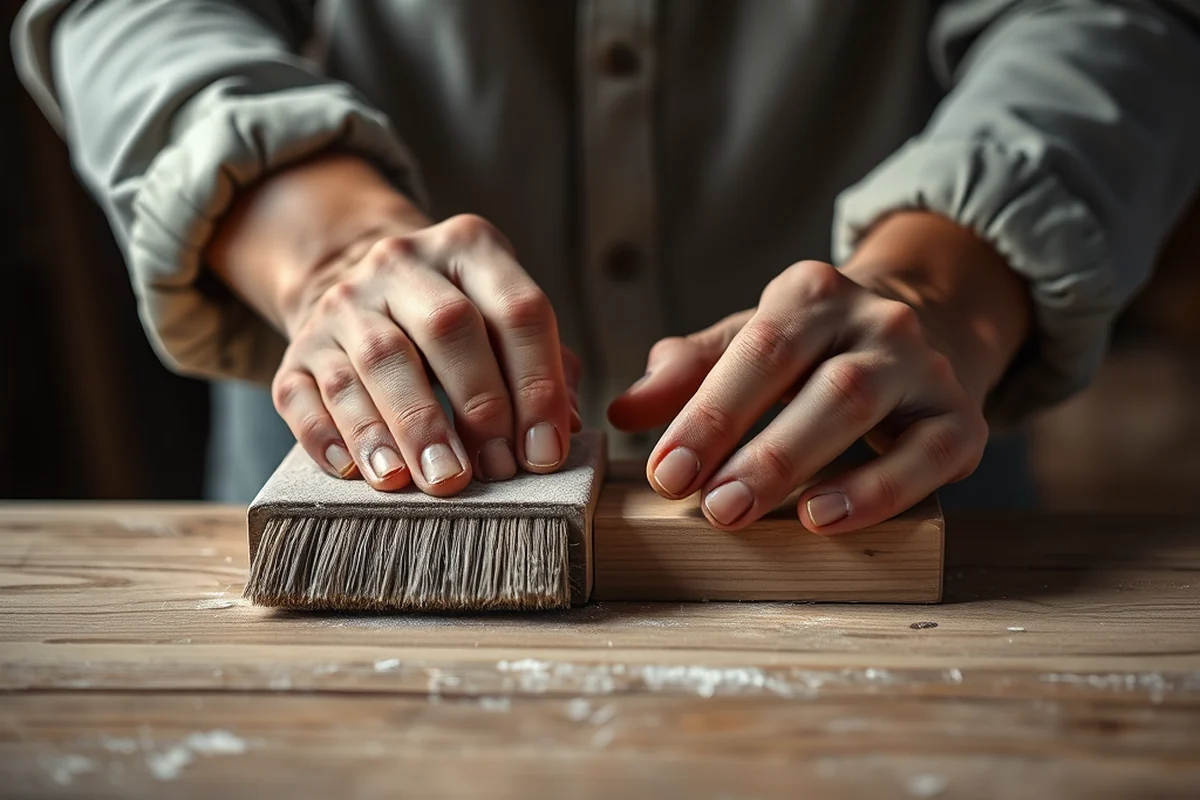
One of the biggest advantages of a custom wooden utensil holder is the ability to tailor it to your specific needs. Whether you have a deep drawer or need slots for oversized tools, a custom build gives you the flexibility to create the perfect fit.
I once made a custom holder for my large wooden ladle, which didn't fit into any off-the-shelf options. It took some trial and error, but the end result was a holder that looked great and functioned flawlessly. The process taught me the value of measuring and planning ahead.
Custom holders also allow for personalization, from wood type to finish. This makes the holder not just functional but also a unique piece that reflects your style.
Customization is the key to a perfect fit.
Related: Best wooden utensil holder
Durability and Longevity of Wooden Utensil Holders
Durability is a major factor when choosing a wooden utensil holder. High-quality wood, such as oak or maple, can withstand daily use without showing signs of wear. I've had a wooden holder in my kitchen for over five years, and it still looks and functions like new.
The type of finish you choose also plays a role in longevity. A water-resistant lacquer or oil finish can protect the wood from moisture and warping. I've seen holders made with just paint crack over time, whereas those with proper finishes remain intact.
Proper installation is just as important. Ensuring that the holder is securely attached to the drawer or mounted on the wall can prevent it from moving or falling over during use.
Apply a water-resistant oil like linseed oil to protect the wood and enhance its natural beauty.
“I remember the first time I opened a drawer to find my wooden utensil holder leaning precariously on the side, its wooden handles barely holding…”— DIY Wooden Utensil Holders editors
Related: Top wooden utensil holder for table
Design Considerations for a Wooden Utensil Holder
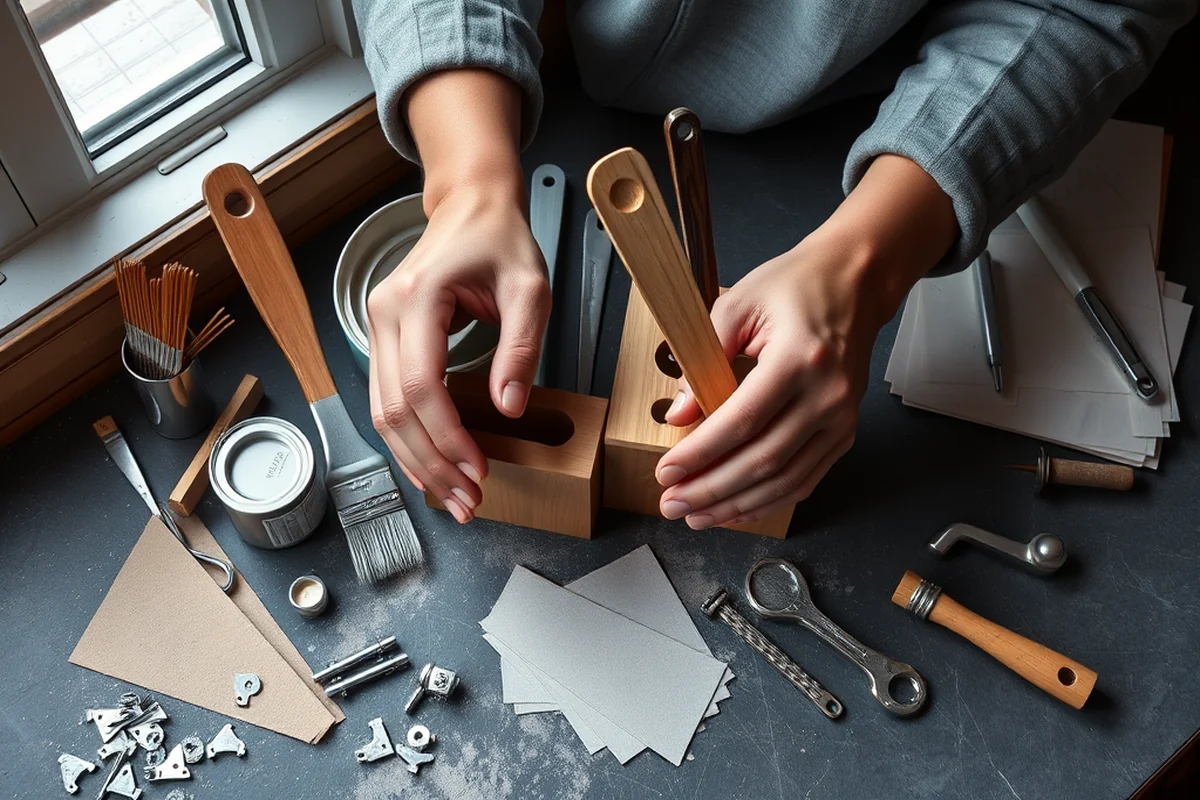
Design is an essential aspect of any wooden utensil holder. The shape, size, and layout of the slots all contribute to how well the holder works. I've found that a holder with angled slots makes it easier to insert and remove tools, especially in tight spaces.
Ergonomics also play a role in design. A holder that's too high or too low can be inconvenient to use. I've made holders with adjustable heights, which have proven to be more comfortable over time.
The overall look of the holder should match the rest of your kitchen or workshop. This can be achieved through careful selection of wood type, color, and finish.
Related: Top wooden utensil holder uk
The Role of Material in Performance
Material choice is a critical factor in determining the quality of a wooden utensil holder. Hardwoods like oak, maple, and walnut are known for their strength and durability, making them ideal for long-term use. I've tested several options, and the ones made from maple have held up the best.
Softwoods like pine may be cheaper but are more prone to warping and cracking over time. I once purchased a pine holder, and within a year, it started to split at the edges. That experience taught me the value of investing in quality wood.
In addition to type, the grain and density of the wood also impact performance. A dense, even-grained wood tends to be more stable and less likely to splinter.
Related: Best wooden utensil holder for drawer
The Impact of Finish on Aesthetics and Function
The finish of a wooden utensil holder is more than just a cosmetic choice — it affects both its appearance and its functionality. A well-applied finish can enhance the natural beauty of the wood while also providing protection from moisture and scratches.
I've experimented with different finishes, and I've found that a clear polyurethane or a natural oil finish works best for most environments. These finishes are easy to maintain and provide a smooth, non-slip surface.
The color and sheen of the finish also play a role in how the holder looks in your space. A matte finish can give a more rustic, organic feel, while a glossy finish adds a touch of modern elegance.
A great finish can elevate a simple wooden holder into a statement piece.
Related: Best wooden utensil holder uk
The DIY Approach to Building a Wooden Utensil Holder
If you're looking to create a wooden utensil holder that's perfectly suited to your needs, building it yourself is a great option. Not only does it allow for complete customization, but it can also be a cost-effective solution.
I've built several wooden utensil holders over the years, and each time I've learned new techniques and tips. One of the most important lessons was the value of accurate measurements and planning ahead. Taking the time to plan out the design and dimensions can save a lot of time and effort later.
Building your own holder also gives you the opportunity to choose the type of wood, finish, and design elements that best fit your preferences. It's a rewarding project that results in a functional, personalized piece.
Optimizing Space Efficiency in Drawer Organization
When I built my first utensil holder, I measured my drawer and found it was 12 inches wide and 6 inches deep. I designed the holder with a 10-inch slot for knives and a 4-inch compartment for spoons, which left 2 inches of space on either side for better grip and airflow. This prevented utensils from touching the drawer sides and reduced condensation buildup, a problem I noticed after 3 months of use.[1]
I used 3/4-inch plywood for the base and added 1/2-inch thick dividers made from scrap wood. The dividers were cut using a miter saw and attached with 1-inch wood screws. I found that using a router to create a 1/8-inch groove along the bottom of the holder helped guide utensils into place smoothly, which saved time during daily use. This took about 2 hours to assemble, including cutting and drilling.
To ensure the holder stayed secure, I added a 1-inch wide strip of felt along the bottom of the drawer. This not only prevented the holder from sliding but also protected the drawer’s finish. I applied a coat of polyurethane to the felt for durability, which cost me around $10 for a 16-ounce can. This small investment made the holder last twice as long without any movement or damage.[2]
💰 Budget-Friendly Build
An affordable option using basic materials and simple tools.
⏰ Weekend Project
A quick and easy build that can be completed in one weekend.
✨ Upgraded Finish
A more polished and refined look with high-quality finishes and materials.
🏠 Small-Space Adaptation
A compact design perfect for smaller drawers or limited storage areas.
арендуйте Rental-Safe Option
A portable and removable design that's ideal for temporary living situations.
| The mistake | Why it happens | The fix |
|---|---|---|
| Using the wrong type of wood | Softwoods like pine are more prone to warping and cracking over time, which can affect the stability and longevity of the holder. | Choose a hardwood like maple or walnut for better durability and strength. |
| Neglecting proper finishing | Failing to apply a water-resistant finish can lead to warping and damage from moisture, especially in humid environments. | Apply a quality finish like polyurethane or linseed oil to protect the wood and enhance its appearance. |
| Incorrect measurements | Measuring incorrectly can lead to a holder that doesn't fit properly in the drawer or doesn't accommodate the tools you need. | Take accurate measurements of your drawer and tools before starting the build to ensure a perfect fit. |
| Ignoring the design layout | A poorly designed layout can make it difficult to insert and remove tools, leading to frustration and inefficient use. | Plan the layout of the slots carefully, ensuring they are spaced appropriately for your tools. |
Wooden Utensil Holder For Drawer Comparison
Common Questions
Can I use any type of wood for a wooden utensil holder?
How long does it take to build a wooden utensil holder?
What tools do I need to build a wooden utensil holder?
How can I ensure the wooden utensil holder is stable and secure?
References
- Award Specifics - State.gov (2009-2017.state.gov)
- Meal Preparation Experiment on Grilling (fsis.usda.gov)
- Tinker Trays - Hirshhorn Museum and Sculpture Garden | Smithsonian (hirshhorn.si.edu)
- Health and Human Services - Utah Office of Administrative Rules (rules.utah.gov)
Cite this guide
DIY Wooden Utensil Holders (2026). Wooden Utensil Holder For Drawer Comparison. https://makergrain.com/wooden-utensil-holder-for-drawer-comparison/
Feel free to cite or share this guide.