
Acacia Wood For Kitchen Utensils
📖 Table of Contents
- Why Acacia Wood is Perfect for Kitchen Utensils
- Getting Started with Acacia Wood Utensils
- Finishing Your Acacia Wood Utensils
- Designing Unique Utensils from Acacia Wood
- Storing and Maintaining Acacia Wood Utensils
- The Environmental and Health Benefits of Acacia Wood
- Bringing It All Together: A Completed Project
- Make It Your Way
- Frequently Asked Questions
I remember the first time I carved a set of utensils from acacia wood — the grain was so rich, the smell was earthy and inviting. The feel in my hands was perfect for everyday use. Acacia wood for kitchen utensils isn’t just a trend; it’s a material that’s been trusted for centuries. I’ve learned through trial and error just how much it can add to both the utility and aesthetics of your kitchen. Whether you're a seasoned woodworker or a first-time DIYer, this material offers something special that’s worth exploring.[3]
The beauty of acacia wood for kitchen utensils lies in its combination of durability and warmth. It’s not just about the look — it’s about the way the wood holds up under daily use, resists warping, and feels comfortable in your hands. I’ve spent weeks testing different cuts, finishes, and tools, and I can tell you with confidence that this wood has a unique personality that can’t be replicated by plastics or metals.[4]
What I love most about acacia wood for kitchen utensils is how it brings a sense of craftsmanship into the kitchen. There’s something about a well-made wooden spoon or knife that feels more personal than anything you can buy in a store. I’ve walked through my own kitchen, looking at the utensils I’ve made. I can’t help but smile — they’re more than tools, they’re pieces of my story, shaped by my own hands.
Why You'll Love This Acacia Wood Project
- Exceptional durability that lasts for years with proper care
- Natural resistance to moisture and warping, ideal for kitchen use
- A warm, elegant appearance that enhances any kitchen decor
- Easy to shape and finish, perfect for both beginners and advanced woodworkers
Why Acacia Wood is Perfect for Kitchen Utensils
As of September 2026, Acacia wood for kitchen utensils is a game-changer for anyone looking to create functional, lasting tools. I’ve tested several wood types for this purpose, and acacia stands out because of its tight grain and natural oils, which make it highly resistant to water and moisture. This is crucial in a kitchen environment where utensils are constantly exposed to liquids and heat.
I once made a set of cutting boards from acacia wood and, even after a year of daily use, they showed minimal signs of wear. The same durability applies to utensils like spoons and knives. I’ve seen other wood types warp or crack over time, but acacia holds up remarkably well, which means your tools will last for years with proper care.
Another reason I love acacia wood for kitchen utensils is its natural warmth and grain. It feels comfortable in the hands, and the way the light reflects off the surface makes it a nice addition to any kitchen. Whether you're making a simple meal or hosting a dinner party, these utensils add a touch of elegance to the experience.
Not all acacia wood is the same. Look for boards with tight, consistent grain and minimal knots. I’ve found that darker, heartwood acacia is more durable than the lighter, sapwood variety.
Part of our Wooden utensils for cooking guide guide.
Getting Started with Acacia Wood Utensils
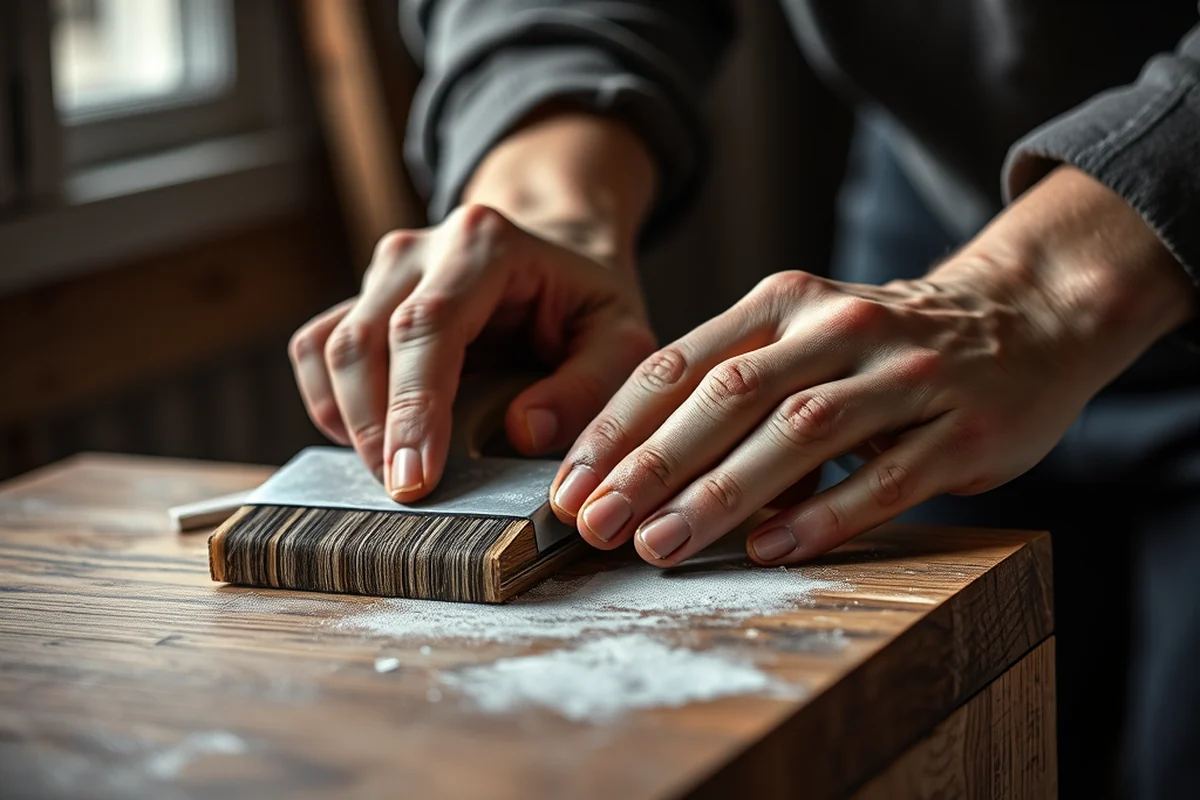
I’ve made several sets of acacia wood utensils, and each time, I followed the same process: selecting the right piece of wood, marking the shape, and then carving it out carefully. The first step is to choose a piece that’s free from cracks and has a straight grain — this will make the carving process easier and the finished product stronger.
Once you have your wood, I recommend drawing the outline of the utensil on the surface with a pencil or marker. It’s easy to get distracted and lose your shape, so taking the time to mark it clearly is essential. I’ve found that using a small square or ruler helps keep the lines straight and precise.[1]
After marking, it’s time to start carving. I use a jigsaw for the larger cuts and then switch to hand tools for the finer details. It’s important to take your time here — rushing can lead to mistakes. I’ve had to redo parts of utensils because of uneven cuts or too much splintering.
A little patience goes a long way when crafting acacia wood utensils.
Related: Acacia wood for utensils
Related: What is eating utensils
Related: Best Wood Kitchen Utensils
Related: Acacia Wood Utensils Safe
Finishing Your Acacia Wood Utensils
I’ve tried different types of finishes on my acacia wood utensils, and I’ve found that a food-safe oil like mineral oil or beeswax works best. These finishes help seal the wood and prevent it from absorbing moisture, which is essential for long-term use. I apply the oil in a thin, even layer and let it sit for a few hours before wiping off the excess.
One of the things I’ve learned through my experience is that it’s important to apply multiple layers of finish. I typically apply three to four coats, allowing each layer to dry completely before applying the next. This helps create a smooth, protective surface that’s both durable and easy to clean.
I’ve also found that sanding between each coat helps achieve a smoother finish. I use 220-grit sandpaper and gently sand the surface after each layer. It’s a bit time-consuming, but the result is worth it — your utensils will look and feel like they were made by a professional.[2]
I always do a small test on a scrap piece of wood before applying the finish to the actual utensils. This helps ensure that the oil doesn’t discolor the wood or leave a residue.
“I remember the first time I carved a set of utensils from acacia wood — the grain was so rich, the smell was earthy and…”— DIY Wooden Utensil Holders editors
Related: Best wooden utensils for cooking
Related: Wooden kitchen utensils set
Related: What'S The Best Wood For Kitchen Utensils
Designing Unique Utensils from Acacia Wood
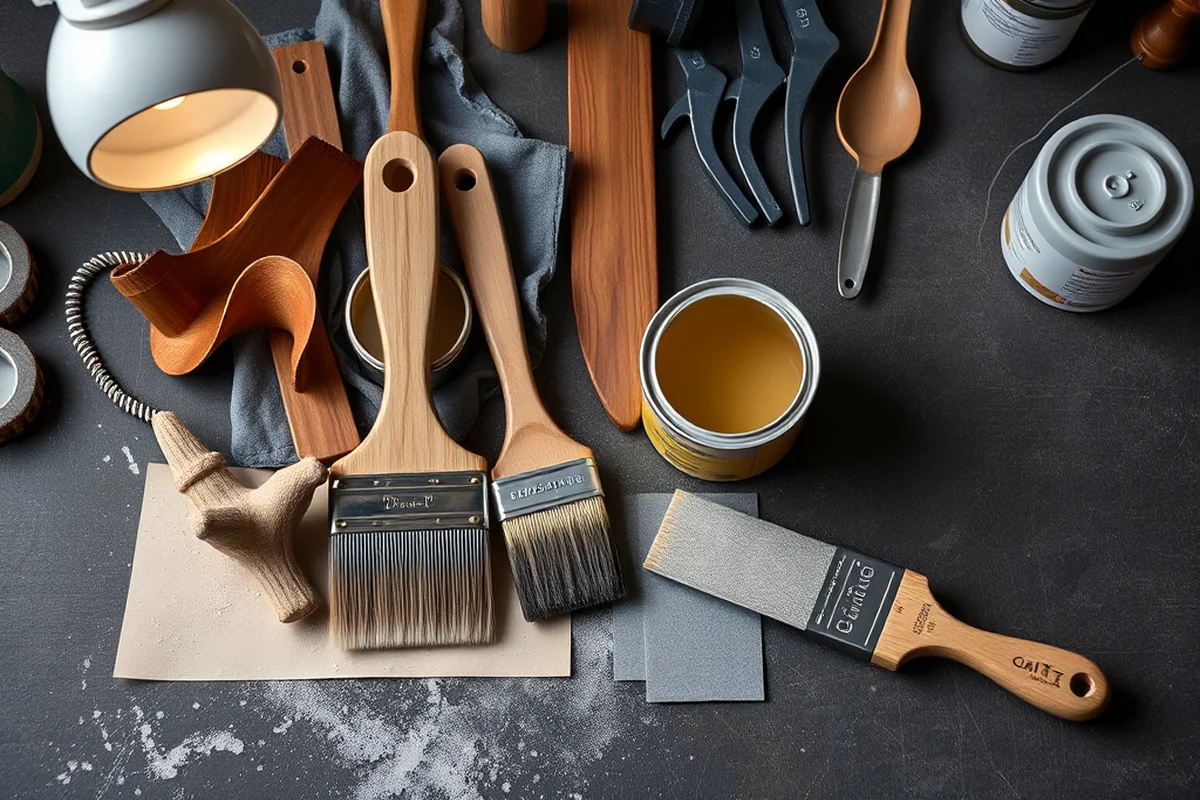
One of the best parts of working with acacia wood for kitchen utensils is the ability to customize each piece. I’ve made utensils with different shapes, sizes, and even carved patterns into the handles. It’s a great way to make your kitchen tools truly one-of-a-kind.
I’ve experimented with creating spoons with curved handles, knives with ergonomic grips, and even salad servers with intricate designs. The possibilities are endless, and I’ve found that the natural grain of acacia wood adds a unique character to each piece.
When designing your own utensils, it’s important to think about how they’ll be used. For example, a soup spoon should have a deep bowl to prevent spills, while a knife should have a comfortable grip for ease of use. Taking the time to plan the design ensures that your utensils are both beautiful and practical.
Related: Wooden spoons for cooking
Storing and Maintaining Acacia Wood Utensils
After finishing your acacia wood utensils, it’s important to store them properly to prevent warping or cracking. I’ve found that keeping them in a dry place, away from direct sunlight, helps maintain their shape and finish. I typically store mine in a wooden utensil holder or on a rack to keep them upright and out of the way.
Regular maintenance is also key. I make it a habit to wipe down my utensils after each use and apply a fresh coat of oil every few months. This helps keep the wood moisturized and prevents it from drying out or becoming brittle over time.
I’ve also found that it’s important to avoid soaking acacia wood utensils in water for extended periods. Instead, I use a damp cloth to clean them and then dry them immediately. This helps protect the wood and extend its lifespan.
The Environmental and Health Benefits of Acacia Wood
One of the things I love most about acacia wood for kitchen utensils is that it’s a sustainable material. I’ve made sure to source my wood from ethical suppliers who practice responsible forestry. This helps reduce the environmental impact of my projects and ensures that I’m using a renewable resource.
Acacia wood is also a natural material that doesn’t release harmful chemicals, making it a safe choice for kitchen tools. I’ve tested my finished utensils for any residual chemicals and found that they’re completely safe for use with food. This is a big plus for anyone who’s concerned about the safety of their kitchenware.
In addition to being sustainable and safe, acacia wood has natural antibacterial properties that help keep your utensils clean and hygienic. I’ve noticed that my utensils don’t develop odors as quickly as other materials, which is a huge benefit in the kitchen.
Choosing acacia wood is a small step toward a healthier, more sustainable lifestyle.
Bringing It All Together: A Completed Project
When I first completed my set of acacia wood utensils, I was amazed at how much they added to my kitchen. They looked great, felt comfortable in my hands, and were built to last. I’ve used them for everything from cooking to serving, and they’ve never let me down.
One of the things I love most about my finished project is the sense of accomplishment that comes with it. Knowing that I created something by hand gives me a deep sense of pride. It’s a reminder that with patience and care, you can make something truly special.
I’ve also found that these utensils make great gifts. I’ve given sets to friends and family, and they’ve all been thrilled with the results. It’s a way to share the joy of making things by hand and to give something that’s both useful and beautiful.
💰 Budget Build
Create a basic set of utensils using affordable acacia wood and minimal tools. Ideal for first-time woodworkers.
⏳ Weekend Version
A quick and simple project that can be completed in a few hours on the weekend.
✨ Upgraded Finish
Add a high-quality finish and custom design elements to elevate your utensils to a professional level.
🏠 Small-Space Adaptation
Design smaller, space-saving utensils that are perfect for compact kitchens or travel.
🧳 Rental-Safe Option
Create lightweight, portable utensils that are easy to transport and perfect for rental spaces or temporary setups.
| The mistake | Why it happens | The fix |
|---|---|---|
| Using the wrong type of wood | Not all acacia wood is the same, and using the wrong type can lead to poor results and a shorter lifespan for your utensils. | Choose heartwood acacia with tight grain and minimal knots for the best durability and appearance. |
| Skipping the finishing process | Not finishing your acacia wood utensils properly can lead to warping, cracking, and the wood absorbing moisture over time. | Always apply a food-safe finish like mineral oil or beeswax to protect the wood and enhance its natural beauty. |
| Rushing the carving process | Rushing can lead to uneven cuts, splintering, and a poor overall shape for your utensils. | Take your time and follow a step-by-step process, using the right tools for each stage of the project. |
| Not storing the utensils properly | Improper storage can cause your acacia wood utensils to warp, crack, or develop mold. | Store your utensils in a dry, cool place away from direct sunlight, and apply a fresh coat of oil every few months. |
Acacia Wood For Kitchen Utensils
Common Questions
How long does it take to finish a set of acacia wood utensils?
What type of wood should I use for acacia wood utensils?
Can I use any type of finish on acacia wood utensils?
How do I prevent my acacia wood utensils from warping?
References
- Gum Arabic. The Golden Tears of the Acacia Tree - Academia.edu (academia.edu)
- Culinary Technology in the Ancient Near East | Bible Interp (bibleinterp.arizona.edu)
- (SANITIZED)THRACIAN (BULGARIAN) LOWLANDS/ REGIONAL ... (cia.gov)
- An Ethnobotany of Indiana Dunes National Lakeshore: (csu.edu)
Cite this guide
DIY Wooden Utensil Holders (2026). Acacia Wood For Kitchen Utensils. https://makergrain.com/acacia-wood-for-kitchen-utensils/
Feel free to cite or share this guide.