
Wood Utensil Holder For Kitchen Checklist
📖 Table of Contents
A wood utensil holder for kitchen checklist ensures your kitchen stays organized, functional, and aesthetically pleasing. Whether you're setting up a new kitchen or upgrading your current one, selecting the right holder is a critical step in maintaining order and efficiency in your space.[3]
Wooden utensil holders are more than just storage solutions—they are a blend of form and function, enhancing both the practical and visual aspects of your kitchen. Choosing the right one involves a checklist that considers durability, design, and placement.[4]
This guide provides a comprehensive overview of wood utensil holders for kitchen checklists, covering everything from material selection to placement strategies. It also explores the benefits of using wood over other materials and compares different types of holders, so you can make an informed decision that fits your lifestyle and kitchen needs.
Key Takeaways
- Choose wood utensil holders made from durable, moisture-resistant materials like cedar or teak for longevity.
- Wooden holders offer aesthetic appeal, blending seamlessly with various kitchen styles while providing practical storage.
- Compare different types of holders, such as wall-mounted, freestanding, or magnetic, to find the best fit for your kitchen layout.
- Ensure proper installation and maintenance to extend the life of your wooden utensil holder.
Wooden Utensil
As of August 2026, Wooden utensil holders are a popular choice for kitchens due to their natural beauty and practicality. Made from materials like oak, maple, or teak, these holders are both strong and stylish. Unlike plastic or metal alternatives, wood provides a warm, organic feel that complements most kitchen décors.[1]
A well-crafted wooden utensil holder can last for years with proper care. Look for pieces that are treated with food-safe oils or finishes to resist moisture and prevent warping. For example, a cedar utensil holder can be a great option, as cedar is naturally resistant to mold and mildew, making it ideal for humid kitchen environments.
When selecting a wooden utensil holder, consider the size and number of utensils you need to store. Some holders have built-in slots for knives, forks, and spoons, while others are designed for more specialized tools like ladles or spatulas. A wooden utensil holder is a versatile and long-lasting investment for any kitchen.
In this guide:
- Wooden utensil kitchen holder benefits
- Why wooden utensil holder for kitchen counter
- Wood utensil holder for kitchen comparison
- Affordable wood utensil holder diy
- Why wooden utensil kitchen holder
- Wood utensils holder for kitchen benefits
- Wood utensils holder for kitchen not working
- Wood utensil holder diy
- Wood utensil holder diy guide
- Wood utensil holder diy comparison
- Wooden utensil holder for kitchen counter benefits
- Why wood utensil holder for kitchen
- Wooden utensil holder for kitchen benefits
Kitchen Benefits
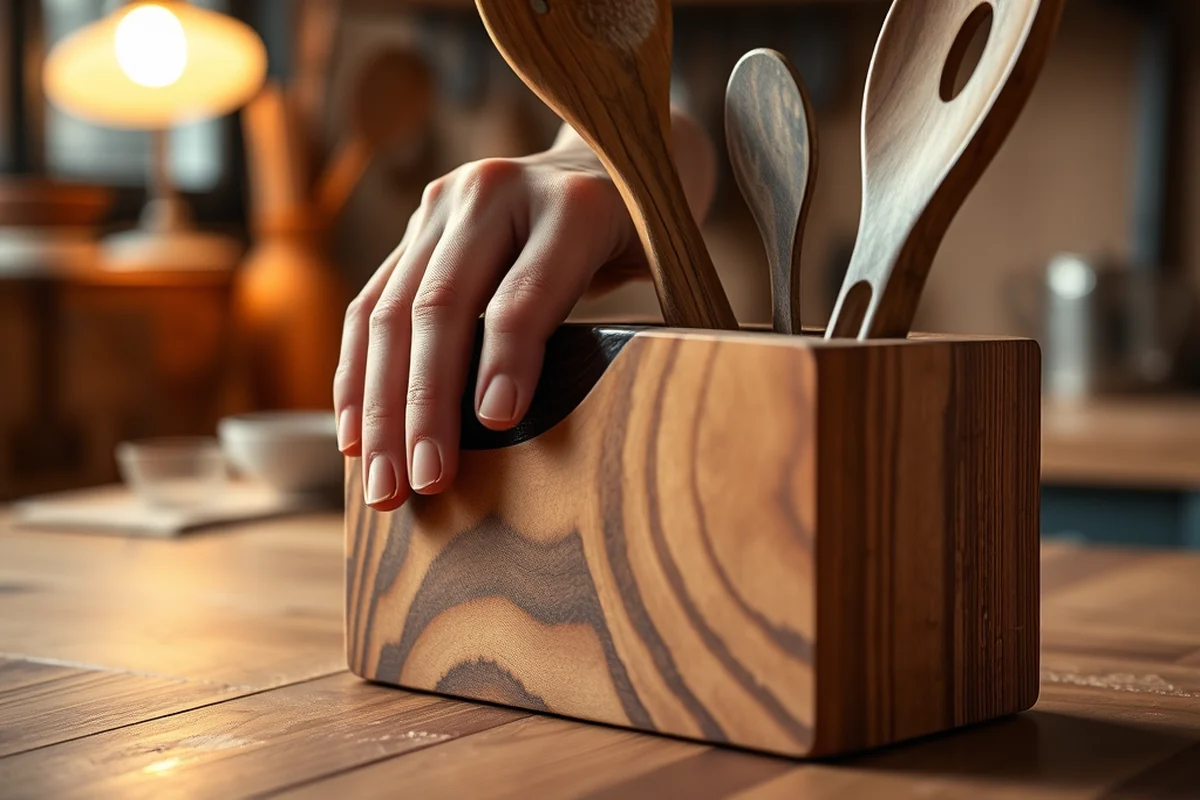
One of the primary benefits of a wooden utensil holder is its durability. Unlike cheap plastic or flimsy metal options, high-quality wood can withstand daily use and resist damage from heat and moisture. For instance, teak is known for its resilience and is often used in high-end kitchen tools and storage solutions.
Wooden utensil holders also add a touch of warmth and elegance to any kitchen. Their natural grain and texture can enhance the visual appeal of your space, making them a great choice for both modern and traditional kitchens. This aesthetic advantage is a key reason why many homeowners prefer wooden storage solutions over other materials.
Also, wooden utensil holders are relatively easy to clean and maintain. A simple wipe with a damp cloth and occasional application of food-safe oil can keep them looking new for years. This low-maintenance feature makes wooden holders a practical choice for busy kitchens.
Related: Wooden Utensil Holder Ideas Checklist
Related: Top Wooden Utensil Kitchen Holder
Related: Utensil Holder For Countertop
Comparisons
When comparing wooden utensil holders to metal or plastic alternatives, wood often comes out on top in terms of durability and aesthetics. Metal holders can be prone to rusting, especially in humid environments, while plastic holders may crack or warp over time. Wood, on the other hand, is naturally resistant to corrosion and can last for decades with proper care.
In terms of cost, wooden utensil holders can vary widely. While high-quality teak or cedar pieces may be more expensive, they are also more durable and long-lasting. In contrast, plastic or metal options may be more affordable upfront but may require more frequent replacement, making them more expensive in the long run.
Another important factor in the comparison is design. Wooden utensil holders come in a wide variety of styles, from rustic to modern, allowing you to choose one that matches your kitchen’s aesthetic. This flexibility is one of the key advantages of wooden holders over other materials, which are often limited in design options.
“When comparing wooden utensil holders to metal or plastic alternatives, wood often comes out on top in terms of durability and aesthetics.”— DIY Wooden Utensil Holders editors
Expert Tips and Advanced Techniques

To improve your wood utensil holder project, consider using advanced joinery methods like dovetail or mortise-and-tenon joints for added strength and longevity. These techniques not only improve the structural integrity of your piece but also enhance its aesthetic appeal.
Applying multiple layers of wood finish, such as polyurethane or oil-based varnishes, can significantly increase the durability of your utensil holder. Always sand between coats for a smooth, professional finish that resists moisture and wear.
Incorporate custom design elements like carved handles or engraved patterns to personalize your utensil holder. Advanced woodworkers may also explore using inlays or contrasting wood species to create a unique and eye-catching kitchen accessory.
Tools, Materials and Resources
Begin with a solid wood board, such as oak or maple, and gather essential tools like a saw, chisel, sandpaper, and clamps. A miter saw or hand saw can be used for precise cutting, while chisels help shape and refine the structure of your holder.
In addition to the main materials, you'll need wood glue, screws, and a finish like wood stain or polyurethane. These components will ensure your utensil holder is both functional and long-lasting.
For guidance and inspiration, refer to woodworking blogs, video tutorials on platforms like YouTube, and DIY kits that provide pre-cut materials. These resources will help you refine your skills and complete your project with confidence.
Troubleshooting and Common Questions
If your utensil holder wobbles or feels unstable, check that all joints are securely fastened with screws or wood glue. Ensure that the base is wide enough for balance and that the legs or feet are properly attached. Using a level during assembly can help prevent uneven surfaces.
Warping or cracking may occur if the wood is not properly dried or if it's exposed to excessive moisture. To prevent this, use kiln-dried wood and apply a water-resistant sealant or wood finish after construction. Avoid placing the holder near heat sources or in overly humid areas.
Proper hole alignment is crucial for utensils to fit correctly. If the holes are misaligned, double-check your measurements and use a template or guide to ensure consistency. If you're unsure, use a drill guide or mark the positions with a pencil and ruler before drilling. Always test the fit of utensils after assembly to ensure they slide in smoothly.
Getting Started: Your First Steps
Start by sketching a design or selecting a pre-made plan for your wood utensil holder. Consider the size, number of slots, and style that will best suit your kitchen space and utensil collection.
Gather all necessary materials, including wood boards, screws, wood glue, sandpaper, and finishing products like paint or stain. Ensure you have the right tools such as a saw, drill, clamps, and measuring tape to complete the project efficiently.
Before cutting any wood, double-check your measurements and mark the pieces clearly. Taking your time at this stage can prevent mistakes and save you time and materials later on in the process.
🌱 Beginner
The simplest version — minimal supplies, quick win.
💰 Budget
Same result using what you already have.
⚡ Quick
The 10-minute version for busy days.
✨ Advanced
The upgraded version once the basics stick.
| The mistake | Why it happens | The fix |
|---|---|---|
| Overlooking the size and number of utensils that need to be stored. | Purchasing a holder that is too small can lead to clutter and inefficient use of space. | Measure the number and size of your utensils and choose a holder with adequate slots or compartments. |
| Ignoring proper maintenance and care of the wood. | Neglecting to clean or oil the wood can lead to premature wear and damage. | Wipe the holder regularly with a damp cloth and apply food-safe oil every few months to maintain its appearance and durability. |
wood utensil holder for kitchen checklist
Common Questions
What are some wooden utensil holder ideas for a kitchen checklist?
What are the benefits of a wood utensil holder for the kitchen?
How do wood utensil holders compare to other materials in terms of durability?
Are there specific wood types recommended for utensil holders?
Cite this guide
DIY Wooden Utensil Holders (2026). Wood Utensil Holder For Kitchen Checklist. https://makergrain.com/wood-utensil-holder-for-kitchen-checklist/[2]
Feel free to cite or share this guide.
References
- (DOC) Cleaning & Maintain Kitchen Premises - Academia.edu (academia.edu)
- Cooking Safety | Charleston, SC - Official Website (charleston-sc.gov)
- Do Checklists Make a Difference? A Natural Experiment from Food ... (dho.stanford.edu)
- Housing Safety and Health Checklist for the OSHA Standards (dol.gov)