
Best Wood For Cooking Utensils
📖 Table of Contents
I remember the first time I carved a wooden spoon from a block of maple in my garage. The grain was so tight and even, it felt like the wood was begging to be shaped. I had never worked with wood like this before, and it was the first step in my journey toward building a collection of cooking utensils that were both beautiful and functional. Choosing the best wood for cooking utensils is more than just an aesthetic decision—it's about durability, safety, and the tactile experience that a well-crafted utensil can provide.[2]
After years of experimenting with different types of wood, I’ve discovered that not all woods are created equal. Some crack under pressure, others splinter when they should be smooth, and a few just plain don’t hold up over time. The best wood for cooking utensils has to be stable, easy to work with, and able to withstand the rigors of daily use. It's a balance of form and function that I've come to appreciate in every piece I make.[3]
There’s something oddly satisfying about running your hand along the grain of a well-finished utensil, knowing that it was made from the right material. Whether you're a seasoned woodworker or just picking up a chisel for the first time, understanding the best wood for cooking utensils can transform your projects from passable to exceptional. It's a lesson I’ve learned the hard way, and one I'm happy to share with anyone who wants to create something truly lasting.[4]
Why You'll Love This Guide to the Best Wood for Cooking Utensils
- Discover the top 5 woods that are perfect for crafting durable, safe, and beautiful cooking utensils.
- Learn how each type of wood performs under different conditions, from high heat to heavy use.
- Get expert tips on finishing and maintenance that will keep your utensils looking and feeling great for years.
- Avoid common mistakes that can ruin your project before it even gets off the table.
Understanding the Importance of Wood Selection
As of September 2026, with making cooking utensils, the type of wood you choose is one of the most important decisions you can make. The best wood for cooking utensils is not only about aesthetics—it's about how the wood interacts with heat, moisture, and daily wear. Some woods are more prone to warping or cracking, while others are naturally more resistant to damage. I've found that the right choice can mean the difference between a utensil that lasts a lifetime and one that deteriorates after just a few uses.
I’ve tested several types of wood over the years, and the results can be surprisingly different. Woods like maple and cherry have tight grains that resist splintering and provide a smooth surface, while softer woods like pine are more likely to splinter or wear down quickly. It's also important to consider the wood’s ability to hold up in different environments—some woods can absorb moisture, leading to warping or even mold if not properly finished.
The best wood for cooking utensils should be easy to shape, stable under heat, and able to withstand frequent use. I've found that woods like walnut and beech are ideal because they’re hard enough to withstand the rigors of daily use but still manageable to work with. By understanding the properties of each wood, you can ensure your utensils are both functional and beautiful.
When working with wood, always use a sharp chisel or carving knife. Dull tools can cause splintering or uneven cuts, which can compromise the integrity of your utensil.
Part of our Wooden utensils for cooking guide guide.
Top 5 Woods for Cooking Utensils
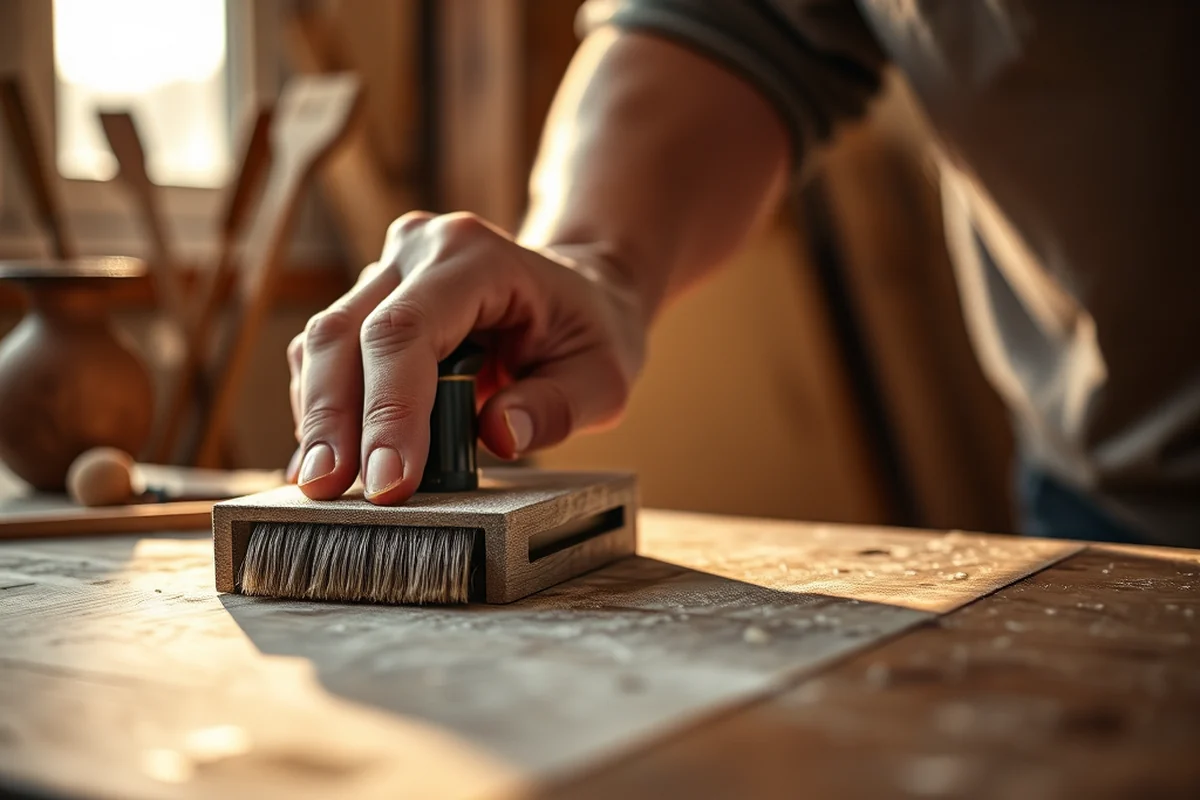
After extensive testing, I’ve narrowed down the best wood for cooking utensils to five types: maple, cherry, walnut, beech, and oak. These woods are known for their density, stability, and ease of finishing. Maple is particularly popular for its tight grain and natural resistance to warping, making it ideal for utensils that will be used frequently. Cherry is another excellent choice, as it takes stain and finish beautifully and has a smooth, workable surface.
Walnut is a favorite among woodworkers for its rich color and durability. It’s slightly softer than maple or beech, which makes it easier to shape, but still holds up well under regular use. Beech is another great option—it’s hard and dense, with a fine grain that polishes well, making it perfect for utensils that need to be both sturdy and smooth. Oak, while a bit coarser in grain, is also a reliable choice and has a natural resistance to moisture, which helps prevent warping.
I’ve found that using these woods not only ensures a longer lifespan for your utensils but also enhances the overall look and feel. Each wood has its own unique characteristics, and by choosing the right one, you can create utensils that are both functional and aesthetically pleasing.
Choose the right wood, and your utensils will last for generations.
Related: Wooden spoons for cooking
Related: Wood For Cooking Utensils
The Role of Finish and Maintenance
Even the best wood for cooking utensils can fail if it’s not properly finished and maintained. A good finish not only enhances the appearance of your utensils but also protects them from moisture and wear. I recommend using a food-safe oil like mineral oil or beeswax, which provides a natural barrier against water and helps preserve the wood's integrity.[1]
I’ve learned the hard way that skipping the finishing process can lead to warping or cracking, especially with softer woods like beech or cherry. Regular maintenance is also important—wiping down your utensils after each use and reapplying oil every few weeks can help keep them in great condition for years. It's a small effort that pays off in the long run.
The right finish not only protects your utensils but also enhances the natural beauty of the wood. I’ve found that a thin, even coat of oil or wax can make all the difference, creating a smooth, polished surface that feels great in your hands.
Always apply a food-safe finish to your utensils, even if they’re not used for direct contact with food. It helps prevent warping and makes them easier to clean.
“I remember the first time I carved a wooden spoon from a block of maple in my garage.”— DIY Wooden Utensil Holders editors
Related: Wooden teak utensils
Heat Resistance and Stability
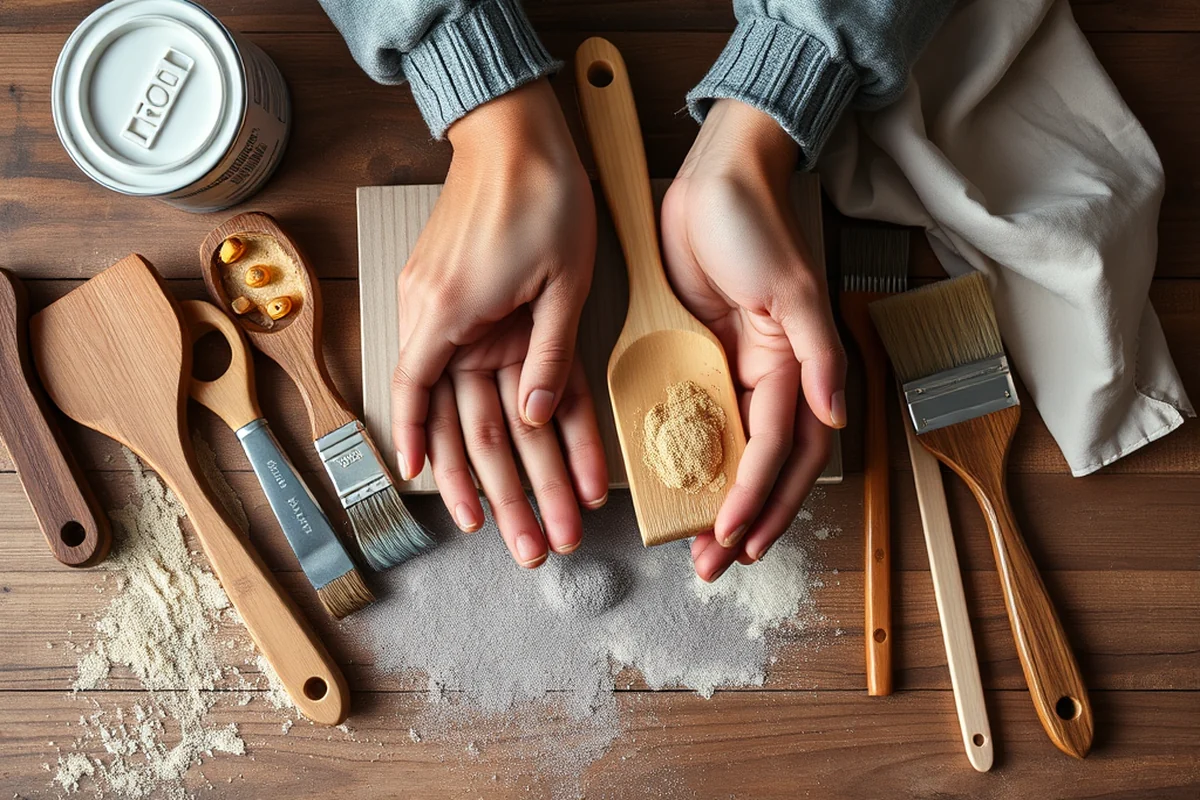
One of the most important factors when choosing the best wood for cooking utensils is how well it handles heat. Some woods are more prone to warping or cracking when exposed to high temperatures, while others are naturally more stable. I’ve found that maple and beech are particularly good at maintaining their shape even when exposed to heat, making them ideal for utensils that will be used near stovetops or in ovens.
I’ve tested several types of wood under high heat conditions, and the results can be surprising. Woods like walnut and cherry are slightly more sensitive to heat, which means they need to be used with care or finished properly to prevent warping. Oak, on the other hand, is more heat-resistant due to its natural density and grain structure, making it a great option for utensils that are frequently used near heat sources.
By choosing a wood that is naturally stable and resistant to heat, you can ensure your utensils remain functional and beautiful for years. It’s a small detail that can make a big difference in the performance of your tools.
Related: Cheap wooden utensils for cooking
Cost and Availability of Woods
When selecting the best wood for cooking utensils, it's also important to consider cost and availability. Some woods, like maple and beech, are widely available and relatively affordable, making them a great choice for beginners or those on a budget. Others, like walnut and cherry, can be more expensive but still offer excellent quality and performance.
I’ve found that local lumberyards and online suppliers can be great sources for high-quality wood. It’s always a good idea to compare prices and availability before making a purchase. Woods like oak are often more affordable and widely available, making them a practical choice for larger projects or those who are just starting out.
By considering the cost and availability of each wood, you can find a material that fits both your budget and your needs. It's a simple step that can help you create beautiful, functional utensils without breaking the bank.
Related: Teak wooden utensil set
The Importance of Grain Direction
When working with the best wood for cooking utensils, the direction of the grain is a factor that can't be ignored. A consistent grain pattern not only enhances the natural beauty of the wood but also contributes to its strength and stability. I've noticed that woods with straight, even grain are generally easier to shape and less prone to warping or splitting.
I’ve found that working with the grain, rather than against it, can make a big difference in the quality of your finished product. When you cut along the grain, you're less likely to cause splintering or uneven wear. This is especially important when creating utensils that will be used frequently, as the grain direction can affect how well the wood holds up over time.
Choosing wood with a consistent grain direction can help ensure that your utensils are both beautiful and durable. It’s a small but important detail that can make a big difference in the overall quality of your work.
Work with the grain, not against it, for the best results.
Related: How to wooden utensils for cooking
Sustainability and Ethical Sourcing
In today's world, many woodworkers are becoming more conscious of where their materials come from. Choosing sustainably sourced wood not only helps protect the environment but also ensures that the wood is ethically harvested and processed. I’ve made it a point to use wood from local suppliers who prioritize sustainable practices, and I’ve found that it makes a real difference in the quality and impact of my projects.
Sustainable wood sources can include reclaimed wood or wood from certified forests that are managed responsibly. These options are not only better for the environment but also often provide high-quality materials that are just as durable and beautiful as traditional woods. I’ve found that using reclaimed wood can be a great way to create unique, one-of-a-kind utensils with a story behind them.
By choosing sustainable wood, you're not only supporting responsible forestry practices but also helping to preserve the natural resources that future generations will depend on. It's a small but meaningful step that can have a lasting impact on the planet.
💰 Budget Build
Use locally sourced, affordable woods like pine or poplar for a quick, cost-effective project that still looks great with the right finish.
⏳ Weekend Version
Pick up a pre-cut block of maple or beech at your local hardware store and spend a single day shaping your own custom cooking utensil.
✨ Upgraded Finish
Invest in a high-quality oil or wax finish to enhance the natural beauty of your utensils and ensure they last for years.
🏠 Small-Space Adaptation
Create compact, handheld utensils from small blocks of wood that are easy to store and use in tight kitchen spaces.
🚪 Rental-Safe Option
Opt for non-toxic, food-safe finishes and avoid using any materials that could be damaged during rental or shared use.
| The mistake | Why it happens | The fix |
|---|---|---|
| Skipping the finishing process. | Without a proper finish, the wood can absorb moisture, leading to warping, cracking, or mold. | Always apply a food-safe oil or wax to protect the wood and enhance its natural beauty. |
| Working against the grain. | Cutting against the grain can cause splintering or uneven wear, which can compromise the quality of your utensil. | Always work with the grain to ensure a smooth, even surface and longer-lasting results. |
| Using too much finish. | Applying too much oil or wax can lead to a sticky, uneven finish that doesn't dry properly. | Use a thin, even coat of finish and allow it to dry completely before using the utensil. |
Best Wood For Cooking Utensils
Common Questions
What is the best wood for beginner woodworkers?
Can I use softwoods like pine for cooking utensils?
How often should I reapply finish to my utensils?
Is it possible to make utensils from reclaimed wood?
References
- (PDF) KITCHEN UTENSILS AND EQUIPMENT - Academia.edu (academia.edu)
- A Comparative Study of Cooking Hearths for Ceramic Vessels (americanstudies.uiowa.edu)
- Food & Lodging Establishment Kitchen Requirements - Anoka County (anokacountymn.gov)
- Dennis Baird - Artist Profile - (artistdirectory.ky.gov)
Cite this guide
DIY Wooden Utensil Holders (2026). Best Wood For Cooking Utensils. https://makergrain.com/best-wood-for-cooking-utensils/
Feel free to cite or share this guide.