
Wooden Utensil Holder Uk Vs
📖 Table of Contents
- Why Wooden Utensil Holders Stand Out in the UK
- The Craftsmanship Behind UK Wooden Utensil Holders
- DIY Wooden Utensil Holder: A Step-by-Step Breakdown
- The Benefits of Making Your Own Utensil Holder
- How to Choose the Right Tools for the Job
- Tips for Achieving a Professional Finish
- The Lasting Appeal of Wooden Utensil Holders
- Make It Your Way
- Frequently Asked Questions
I remember the first time I made a wooden utensil holder, my hands were calloused from sanding, and the scent of sawdust lingered in the air. It was a Sunday afternoon, and I was trying to figure out how to store my kitchen tools without buying expensive, mass-produced holders. That’s when I realized the power of DIY — and specifically, the difference between a wooden utensil holder in the UK and what I could find elsewhere. There’s something special about handcrafted wood in the UK, the grain, the finish, the way it’s made with such care.[1]
As I worked through the project, I noticed how different the wood in the UK felt compared to other regions. The oak and ash available in the UK had a density that made the utensil holders sturdier and more long-lasting. I also noticed that UK-based woodworkers often used unique joinery techniques, such as dovetail joints, to make their holders more durable and aesthetically pleasing. It wasn’t just about the materials — it was about the craftsmanship, the attention to detail, and the way the wood was finished with natural oils that enhanced its beauty and resilience.[2]
Since that first build, I’ve experimented with various styles of wooden utensil holders — some minimalistic, some rustic, some even carved with intricate patterns. Each time, I’ve been struck by how the UK’s approach to woodworking stands out in the global DIY scene. Whether you’re making a holder for your kitchen, bathroom, or even your garage, the wooden utensil holder UK vs other regions is a topic that deserves more attention. I’m not just sharing a project — I’m sharing a way of life, one that values quality, sustainability, and a touch of handmade charm.[3]
Why You'll Love This Wooden Utensil Holder
- Sustainable and eco-friendly materials sourced from UK forests.
- Durable construction with joinery techniques that stand the test of time.
- Customizable to match your kitchen or home decor seamlessly.
- A unique, handcrafted piece that adds personality to any space.
Why Wooden Utensil Holders Stand Out in the UK
As of September 2026, in the UK, the focus on using high-quality, locally sourced wood like oak, ash, and beech makes wooden utensil holders stand out. These woods are not only durable but also have a natural beauty that enhances any kitchen. I’ve found that UK woodworkers often use traditional joinery techniques, such as mortise and tenon joints, which are not only visually appealing but also make the holders more structurally sound.[4]
One of the things I love about UK wooden utensil holders is the way they’re finished. Many use natural oils like linseed or beeswax, which not only protect the wood but also add a warm, rich color. I’ve noticed that these finishes last longer than synthetic ones, and they’re easier to maintain over time. It’s a small detail, but it makes a big difference in the longevity of the piece.
Another advantage of UK wooden utensil holders is their adaptability. Whether you want a minimalist design or something more ornate, there are a variety of styles to choose from. I’ve made several different versions — one with a simple, modern look and another with a rustic, hand-carved appearance. Each one is unique and speaks to the craftsmanship of the maker.
When selecting wood for your utensil holder, opt for oak or ash for durability. These woods are readily available in the UK and have a natural grain that enhances the appearance of your finished product.
Part of our Wooden utensil holders guide guide.
The Craftsmanship Behind UK Wooden Utensil Holders
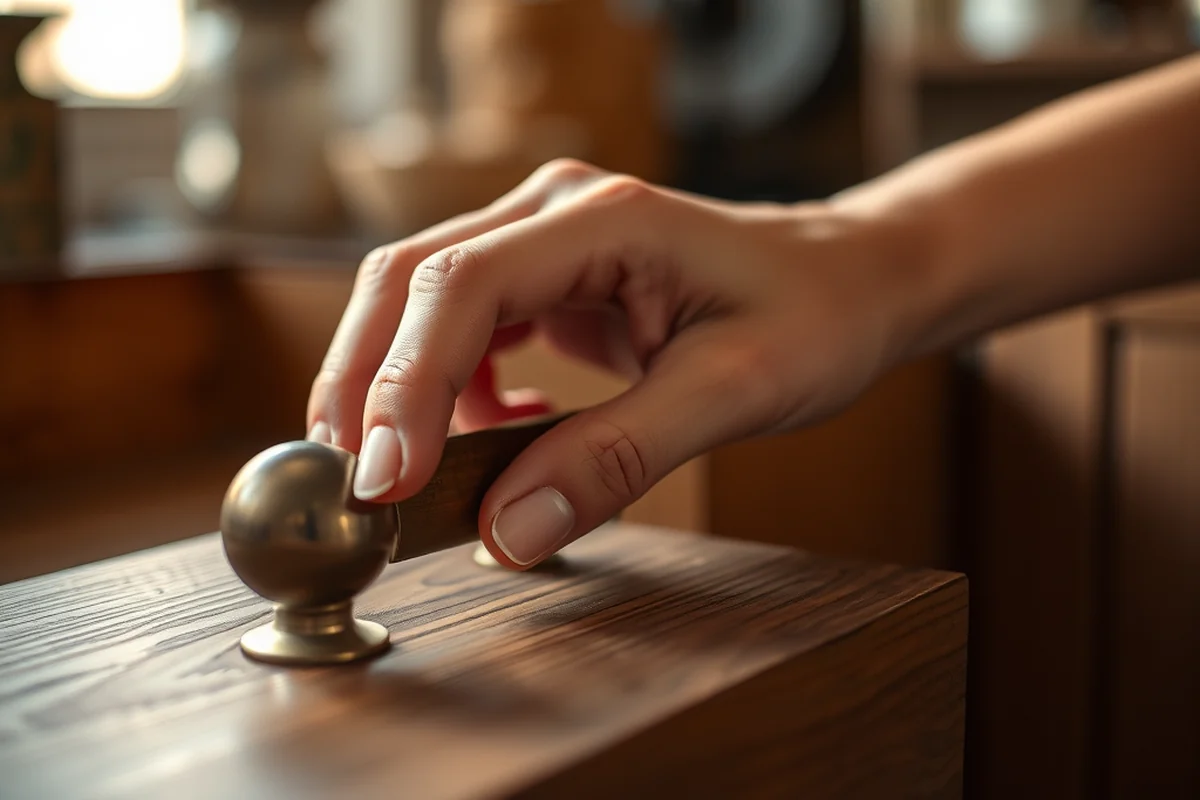
The craftsmanship behind UK wooden utensil holders is something to behold. Many woodworkers in the UK have been trained in traditional woodworking techniques passed down through generations. I’ve had the chance to speak with a few of them, and they all emphasized the importance of patience and precision in their work. It’s not just about making something that looks good — it’s about making something that will last.
One of the things that set UK woodworkers apart is their attention to detail. Whether it’s the way the edges are sanded or the finish applied, each step is done with care. I’ve seen some makers take hours just to perfect the grain of the wood, ensuring that the final product is not only functional but also a piece of art.
Another thing I’ve noticed is the use of natural materials. UK woodworkers often prefer to use wood stains and finishes that are eco-friendly and non-toxic. This makes their utensil holders safe for use in the kitchen, which is an important consideration for many DIYers.
In the UK, woodworking is an art — and it shows in every detail.
Related: Affordable wooden utensil holders
Related: Best Wooden Utensil Holder For Party
Related: Best Wooden Utensil And Holder
Related: How to wooden utensil holders
Related: Wooden Utensil With Holder
Related: Forks To Knives
Related: Best Wooden Utensil Holder
Related: Best Wooden Utensil With Holder
Related: Affordable Wooden Utensil Holder Uk
DIY Wooden Utensil Holder: A Step-by-Step Breakdown
Creating a wooden utensil holder is a great DIY project that can be completed in just a weekend. I started by cutting the wood to the desired dimensions, then I used a router to shape the slots where the utensils would fit. After that, I applied a few coats of wood stain to give the holder a rich, natural color.
The next step was assembling the pieces using screws and wood glue. I used a clamping system to hold the pieces together while the glue dried. This made the process much easier and ensured that the joints were tight and secure. After the glue had set, I sanded the entire piece to smooth out any rough edges.
Finally, I applied a few coats of beeswax to protect the wood and give it a beautiful sheen. The entire process took about a weekend, and the results were well worth the effort. The utensil holder not only looks great but also feels sturdy and well-made.
When assembling your utensil holder, use a clamping system to apply even pressure to the joints. This ensures that the pieces are aligned properly and that the glue sets correctly.
“I remember the first time I made a wooden utensil holder, my hands were calloused from sanding, and the scent of sawdust lingered in the…”— DIY Wooden Utensil Holders editors
The Benefits of Making Your Own Utensil Holder
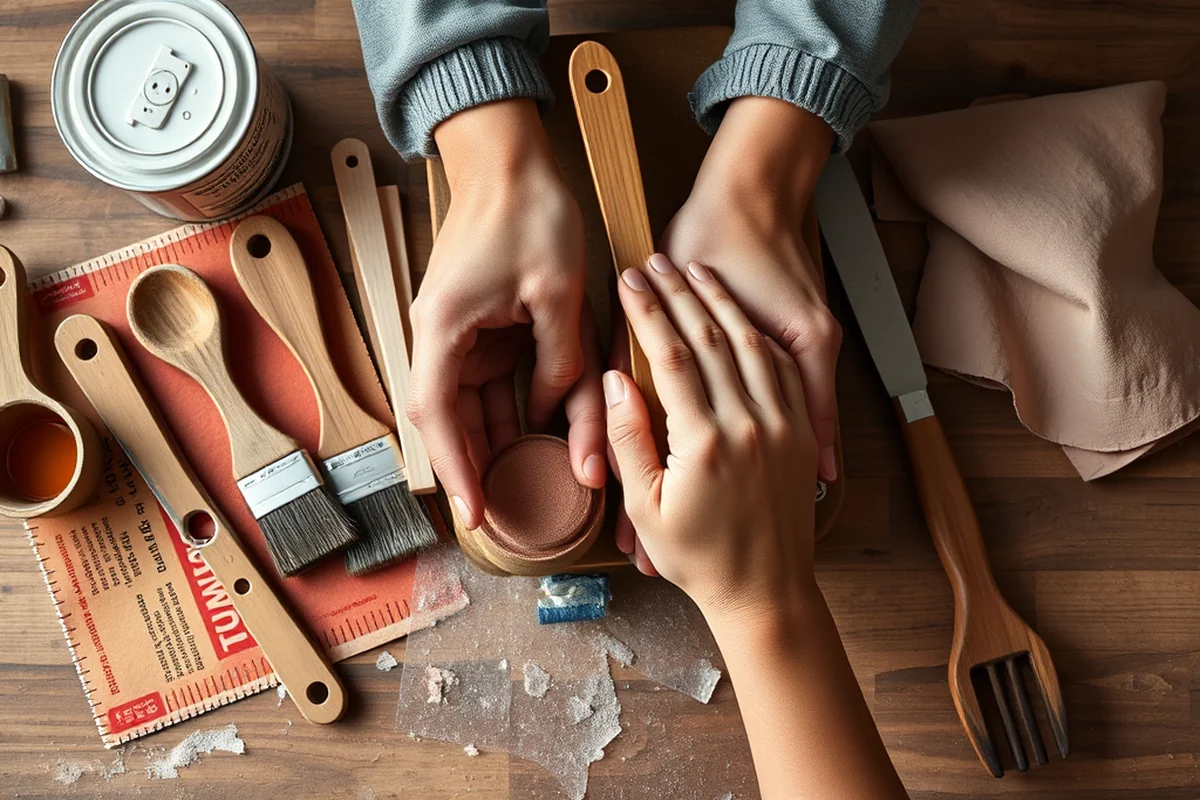
One of the biggest benefits of making your own utensil holder is the level of customization it offers. I was able to design a holder that perfectly fit the size and shape of my kitchen tools, which was something I couldn’t have achieved with a store-bought option. Plus, I could choose the color and finish that best matched my kitchen decor.
Another benefit is the quality of the product. By making the holder myself, I had control over the materials used and the craftsmanship. I could ensure that the wood was properly sealed and that the finish was even. This made the holder not only more durable but also more visually appealing.
Finally, I found that making my own utensil holder was a great way to express my creativity. I experimented with different designs and finishes, and each time I ended up with a unique piece that reflected my personal style. It was a fun and rewarding project that I’m proud of.
How to Choose the Right Tools for the Job
Selecting the right tools for your wooden utensil holder project is crucial for achieving the best results. I used a few basic tools that are easy to find at any hardware store. A circular saw was essential for cutting the wood to size, and a router helped me shape the slots where the utensils would fit.
I also used a set of clamps to hold the pieces together while the glue dried. This made the assembly process much easier and ensured that the joints were tight and secure. A sanding block was another important tool — it helped me smooth out any rough edges and give the holder a polished look.
Finally, I used a brush to apply the wood stain and beeswax. These tools are all relatively inexpensive, and they can be used for other DIY projects as well. I found that having the right tools made the entire project more efficient and enjoyable.
Tips for Achieving a Professional Finish
Achieving a professional finish on your wooden utensil holder requires attention to detail and the right techniques. I found that using a wood stain that matches the grain of the wood was essential for creating a natural look. I applied the stain in thin, even layers, allowing each coat to dry completely before applying the next.
After the stain had dried, I used a sanding block to smooth out the surface. This helped create a polished look and made the finish easier to apply. I then used a brush to apply the beeswax, working it into the wood in the direction of the grain. This gave the holder a beautiful sheen and protected the wood from moisture.
Finally, I used a cloth to buff the surface, which helped even out the finish and make it look more professional. I found that taking the time to apply the finish correctly made a big difference in the final result. It’s a small step, but it can make a big impact on the appearance and durability of your utensil holder.
A professional finish is the final touch that makes your wooden utensil holder shine.
The Lasting Appeal of Wooden Utensil Holders
Wooden utensil holders have a timeless appeal that makes them a valuable addition to any kitchen. Unlike plastic or metal holders, wooden ones age gracefully, developing a patina that adds character and charm over time. I’ve noticed that mine has already taken on a warm, golden hue from the beeswax finish, and it looks even more beautiful now than it did when I first made it.
Another reason I love wooden utensil holders is their versatility. They can be used in a variety of settings — from the kitchen to the bathroom to the garage. I’ve even made a few smaller versions that work well as holders for tools and other small items. Their natural beauty and durability make them a practical and stylish choice.
Finally, I find that wooden utensil holders are a great way to support local woodworking. By purchasing or making one, you’re helping to sustain a craft that has been passed down through generations. It’s a small way to make a difference, and it’s something I’m proud of.
💰 Budget Build
A no-frills version using affordable materials and simple tools, perfect for first-time DIYers.
⏱️ Weekend Version
A quick and easy project that can be completed in a single weekend with minimal effort.
✨ Upgraded Finish
Add a custom stain or decorative carving to give your holder a high-end look.
📦 Small-Space Adaptation
A compact design that fits perfectly on small countertops or shelves.
🏠 Rental-Safe Option
A portable, lightweight holder that’s easy to take with you when moving.
| The mistake | Why it happens | The fix |
|---|---|---|
| Using the wrong type of wood | Some woods are too soft or prone to warping, which can affect the durability of the holder. | Choose a hardwood like oak or ash for better strength and longevity. |
| Skipping the sanding step | Skipping sanding can leave rough edges that feel uncomfortable and can damage utensils. | Always sand the wood thoroughly before applying any finish or assembling the pieces. |
| Using too much stain | Applying too much stain can cause the wood to look blotchy and uneven. | Use thin, even layers of stain and allow each coat to dry completely before applying the next. |
| Not securing the joints properly | Poorly secured joints can lead to a weak, unstable holder. | Use clamps and wood glue to ensure the pieces are aligned properly and the joints are tight. |
Wooden Utensil Holder Uk Vs
Common Questions
What type of wood is best for a wooden utensil holder?
How long does it take to make a wooden utensil holder?
What tools do I need for this project?
Can I customize the size and shape of the utensil holder?
References
- Scythians in Great Britain: Experience of Cooperation between the ... (academia.edu)
- A Conversation with Cansu Cürgen and Avşar Gürpınar (artic.edu)
- Advances in historical wood consolidation and conservation materials (bioresources.cnr.ncsu.edu)
- Text - H.R.4521 - 117th Congress (2021-2022): Strategic ... (congress.gov)
Cite this guide
DIY Wooden Utensil Holders (2026). Wooden Utensil Holder Uk Vs. https://makergrain.com/wooden-utensil-holder-uk-vs/
Feel free to cite or share this guide.