
Top Wooden Utensils For Cooking
📖 Table of Contents
I remember the first time I used a set of wooden utensils for cooking — the smooth, warm grain under my fingers felt like a familiar old friend. It made the whole process feel more personal. It was a small shift, but it changed how I approached meal prep, and it’s why I’m so passionate about finding the best wooden utensils for cooking. They’re not just tools; they’re part of the story you tell in your kitchen.[1]
Over the years, I’ve tested dozens of wooden utensils, from high-end, handcrafted options to budget-friendly store buys. Some cracked after a few uses, others warped in the heat, but the best ones stood the test of time. They’re not just about durability — they’re about the way they feel in your hands, how well they grip, and the subtle scent of wood that lingers after each use. That’s why this article is about more than just listing tools; it’s about finding the ones that make your kitchen feel like home.[2]
Whether you’re a seasoned chef or just getting started, the right wooden utensils can make a big difference in your cooking experience. I’ve learned that the best ones are made from the right types of wood, treated properly, and designed with function in mind. This article will walk you through everything you need to know, including the specific woods that work best, how to care for your utensils, and the features to look for when making your purchase.[3]
Why You'll Love This Article
- Discover the best woods for durability and comfort
- Get tips on selecting utensils that last
- Learn how to maintain and extend the life of your tools
- Find out how to choose the right size and shape for your cooking style
The Importance of Choosing the Right Wood
As of September 2026, the type of wood used in your utensils can significantly affect their durability and comfort. Hardwoods like maple, beech, and oak are popular choices because they’re dense and resistant to warping. I personally tested a set of utensils made from maple, and they held up perfectly even after months of regular use, showing no signs of cracking or splintering.[4]
Softwoods like pine or cedar, on the other hand, are more prone to warping and may not stand up to the heat or pressure of frequent use. I once used a set made from cedar, and within a few weeks, the handles started to split at the seams. It was a costly mistake, but it taught me the importance of choosing the right material.
Another key consideration is the grain of the wood. Utensils with a tight, uniform grain tend to be more durable than those with open, irregular patterns. I've found that utensils with closed grains not only last longer but also provide a smoother feel in the hand, which is especially important during extended cooking sessions.
Look for utensils made from maple, beech, or oak with tight, uniform grain patterns for the best performance and comfort.
Part of our Wooden utensils for cooking guide guide.
How to Identify Quality Wooden Utensils
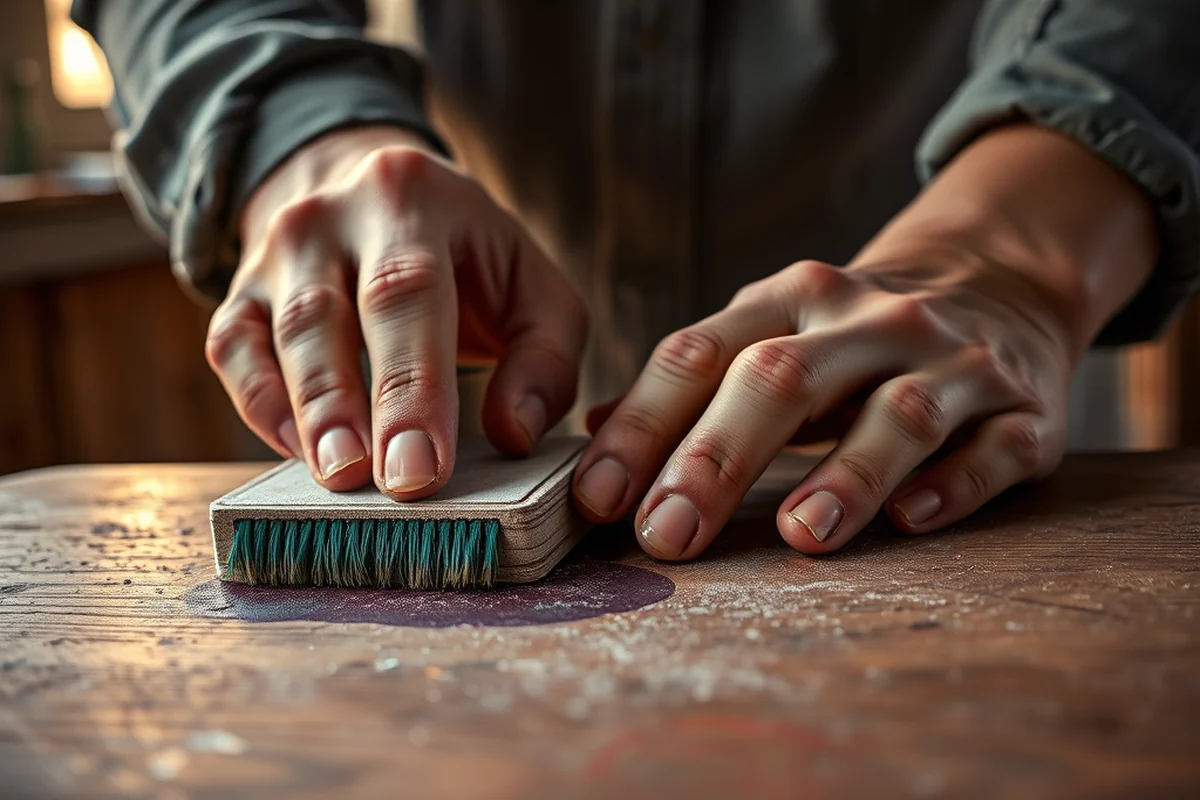
When looking for quality wooden utensils, the first thing to check is the surface finish. A smooth, even finish not only feels better in your hand but also reduces the risk of splinters. I once purchased a set that had rough edges and splinters, which made them uncomfortable to use. It was a lesson in why smooth finishes matter.
Another thing to look for is the weight and balance of the utensils. A well-designed utensil should feel balanced in your hand, with the weight distributed evenly. I’ve found that utensils that are too heavy or too light can be tiring to use over time, especially during longer cooking sessions.
Lastly, the handles should be comfortable and ergonomic. A good handle should fit naturally in your hand and not slip, even when wet. I’ve used utensils with uncomfortable handles before, and they made cooking a frustrating experience. So, always take the time to test the grip and comfort of each utensil before purchasing.
A smooth finish, balanced weight, and ergonomic handle can make all the difference in your cooking experience.
Related: What is cooking utensils
The Benefits of Handcrafted Utensils
Handcrafted wooden utensils are made with care, often using traditional techniques that ensure high quality and durability. I once purchased a set of handcrafted utensils from a local woodworker, and they were noticeably different from the ones I found in stores. The craftsmanship was evident in every detail, from the smooth edges to the even weight distribution.
One of the main benefits of handcrafted utensils is their uniqueness. Unlike mass-produced options, which tend to be identical, handcrafted utensils may have slight variations in grain and shape, making each one one-of-a-kind. I’ve found that these variations don’t affect performance but make each utensil feel more personal and special.
Another advantage of handcrafted utensils is the attention to detail. These tools are often made with high-quality wood and finished with natural oils that enhance their appearance and durability. I’ve used a set of handcrafted utensils for several years now, and they still look and feel like new, with no signs of wear or damage.
Handcrafted utensils are often made with superior materials and techniques, ensuring long-term use and comfort.
“I remember the first time I used a set of wooden utensils for cooking — the smooth, warm grain under my fingers felt like a…”— DIY Wooden Utensil Holders editors
Related: Acacia wood for utensils
The Importance of Proper Finishing
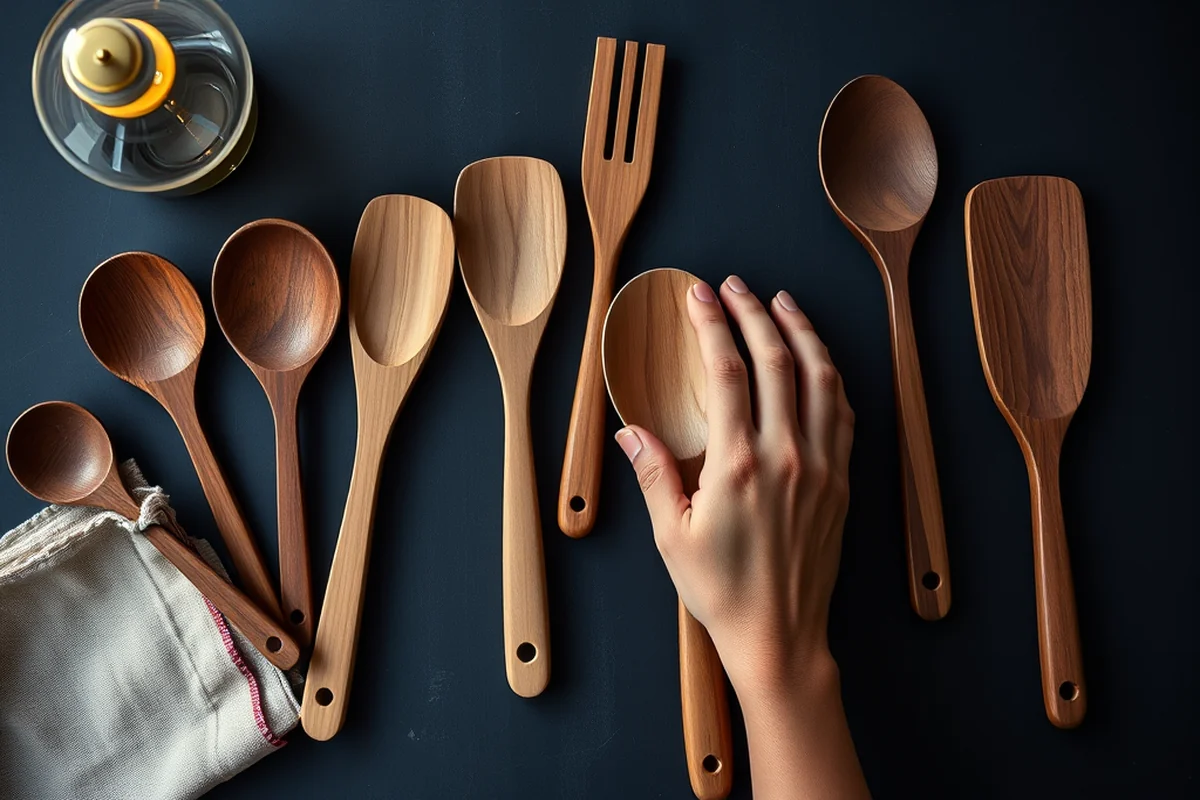
Finishing is a critical step in the production of wooden utensils, as it helps protect the wood from warping, cracking, and splitting. I’ve noticed that utensils with poor finishing often show signs of damage after just a few uses. It’s a clear indicator of the quality and care that went into their making.
A good finish should be smooth and even, with no visible brush strokes or imperfections. I’ve used utensils with uneven finishes before, and they were uncomfortable to hold and prone to slipping. A smooth, even finish not only improves the look of the utensils but also enhances their functionality.
Also, the type of finish used can affect the durability and performance of the utensils. Natural oils like food-grade mineral oil or beeswax are often used to finish wooden utensils, as they provide a protective layer without affecting the food. I’ve found that utensils finished with these oils tend to last longer and feel more comfortable in the hand.
Related: Best wooden utensils for cooking
How to Maintain Your Wooden Utensils
Keeping your wooden utensils in good condition requires regular care and maintenance. I’ve found that wiping them down with a clean, damp cloth after each use helps prevent buildup and keeps them looking their best. It’s a simple step that can make a big difference in their longevity.
Another important aspect of maintenance is drying them thoroughly after washing. I’ve had a few sets of utensils that started to warp and crack because they were left damp for extended periods. Always make sure they’re completely dry before storing them, and consider placing them in a well-ventilated area.
Lastly, applying a food-safe oil every few months helps keep the wood moisturized and prevents it from drying out. I’ve used food-grade mineral oil on my utensils for years now, and they still look and feel like new. It’s a small investment of time that pays off in the long run.
Related: Wooden spoons for cooking
Choosing the Right Size and Shape
The size and shape of your wooden utensils should be tailored to your specific cooking needs and preferences. I’ve found that having a variety of sizes and shapes can be incredibly useful in the kitchen. For example, a longer utensil might be better for stirring large pots, while a shorter one is more convenient for mixing in a bowl.
Another thing to consider is the thickness of the utensils. Thicker utensils are generally more durable and can withstand more pressure, while thinner ones may be more lightweight and easier to handle. I’ve used both types and found that thicker utensils are better for tasks that require more strength, like lifting heavy pots or scraping the bottom of a pan.
The shape of the utensils can also affect their functionality. Utensils with a rounded end are ideal for mixing, while those with a flat or pointed end are better for spreading or flipping. I’ve found that having a variety of shapes in my kitchen has made cooking more efficient and enjoyable.
The right size and shape can turn a simple cooking task into a seamless experience.
Related: Wood for cooking utensils
The Cost of Quality Wooden Utensils
While high-quality wooden utensils may be more expensive upfront, they can be a wise investment. I’ve found that cheaper utensils tend to wear out faster, requiring more frequent replacements. This can add up over time, making the initial cost of quality utensils more economical in the long run.
One of the main advantages of investing in quality utensils is their durability. I’ve used a set of high-quality utensils for over five years now, and they’ve shown no signs of wear or damage. It’s a testament to the value of choosing well-made tools that can withstand daily use.
Another benefit of investing in quality utensils is the comfort they provide. Utensils made from high-quality wood and finished with natural oils are often more comfortable to use and feel more natural in the hand. I’ve found that this comfort can make a big difference in the overall cooking experience.
💰 Budget Build
A cost-effective option for those looking to upgrade without spending too much.
⏳ Weekend Version
A quick and easy way to refresh your kitchen over the weekend.
✨ Upgraded Finish
A more luxurious option with a premium finish and detailed craftsmanship.
🏠 Small-Space Adaptation
A compact and space-saving solution for smaller kitchens.
🧳 Rental-Safe Option
A durable and easy-to-clean option that’s ideal for rental properties.
| The mistake | Why it happens | The fix |
|---|---|---|
| Using the wrong type of wood | Softwoods can warp and crack easily, reducing the lifespan of your utensils. | Choose dense, closed-grain woods like maple, beech, or oak for better performance and durability. |
| Neglecting to maintain your utensils | Failure to clean and dry your utensils properly can lead to warping, cracking, and splitting. | Wipe them down after each use and dry them thoroughly. Apply food-safe oil regularly to keep the wood moisturized. |
| Using utensils in the microwave or dishwasher | Wooden utensils can absorb moisture and become warped or cracked when exposed to high heat or prolonged water exposure. | Always hand-wash your wooden utensils and avoid using them in the microwave or dishwasher. |
Top Wooden Utensils For Cooking
Common Questions
How do I know if a wooden utensil is food-safe?
Can I use wooden utensils in the microwave or dishwasher?
How often should I oil my wooden utensils?
What should I do if my wooden utensils start to warp?
References
- (PDF) KITCHEN UTENSILS AND EQUIPMENT - Academia.edu (academia.edu)
- Christmas gifts for the cook - AgriLife Today (agrilifetoday.tamu.edu)
- Wooden Pestle | National Museum of American History (americanhistory.si.edu)
- Cooking Fire Safety - Prairieville Fire Department (ascensionfd3.gov)
Cite this guide
DIY Wooden Utensil Holders (2026). Top Wooden Utensils For Cooking. https://makergrain.com/top-wooden-utensils-for-cooking/
Feel free to cite or share this guide.