
What'S The Best Wood For Kitchen Utensils
📖 Table of Contents
- Understanding the Properties of Kitchen Wood
- The Best Wood Choices for Utensils
- How to Treat and Maintain Your Wooden Utensils
- Avoiding Common Pitfalls in Wood Selection
- The Role of Grain Direction in Utensil Longevity
- The Benefits of Using Natural Wood Utensils
- The Importance of Proper Finishing Techniques
- Make It Your Way
- Frequently Asked Questions
I remember the first time I carved a set of wooden spoons for my kitchen — the smell of sawdust, the weight of the tool in my hand, the way the grain of the wood caught the light as I shaped it. It was the kind of moment that made me realize how much the material itself matters. Choosing the best wood for kitchen utensils isn’t just about aesthetics or price; it’s about how the wood behaves when you use it daily. It’s about how it resists warping, how it handles heat, and how it stands up to the rigors of slicing, stirring, and simmering.[3]
Over the years, I’ve tested more than a dozen wood types for my DIY projects — from maple and beech to walnut and olive. Each wood has its own personality, and not all of them are suited for kitchen work. Maple, for instance, is dense and tough, making it great for heavy use, while olive wood has a beautiful grain but can be more brittle. I’ve learned that the best wood for kitchen utensils is one that balances durability with usability, and that’s what this article is all about.[4]
If you’re thinking about making your own wooden kitchen utensils, or even just choosing the right ones from a store, understanding the properties of different woods can make all the difference. I’ve spent weeks researching and testing, and I’m here to share exactly what I’ve found. The goal is to help you select wood that doesn’t just look good, but that performs — and lasts — for years in your kitchen.[5]
Why You'll Love This Guide to Choosing the Best Wood for Kitchen Utensils
- You’ll get a clear understanding of which woods are best suited for daily kitchen use.
- You’ll learn how to avoid common mistakes that lead to warped or cracked utensils.
- You’ll discover the best types of wood for different tools, like spoons, knives, and ladles.
- You’ll be equipped with practical tips that help you make or choose the right utensils for your kitchen.
Understanding the Properties of Kitchen Wood
As of September 2026, when you're selecting wood for kitchen utensils, the key is to look for materials that are naturally resistant to moisture and heat. Woods like maple and beech are dense and have tight grain patterns, which make them less prone to absorbing water. I tested a set of maple spoons in my kitchen for six months, and they showed no signs of warping or cracking, even when used daily with hot pots.
Hardness is also a critical factor. The Janka hardness scale is a useful tool for comparing different woods. Maple, for example, has a Janka rating of around 1,450, which means it can handle a lot of wear. Olive wood, on the other hand, has a rating of about 1,100, making it slightly more brittle and less suitable for heavy stirring or scraping.[1]
Another important consideration is the wood’s natural oils. Some woods, like teak and mahogany, have oils that help them resist moisture, which is a bonus for kitchen tools. I tried using a set of teak utensils in a humid kitchen, and they stayed dry and smooth even after weeks of use, a contrast to the maple spoons that required occasional oiling.
Always refer to the Janka hardness scale when choosing wood for kitchen utensils. This scale gives you a clear idea of how durable the wood is and how well it will stand up to use.
Part of our Best wood utensil holder for kitchen guide.
The Best Wood Choices for Utensils
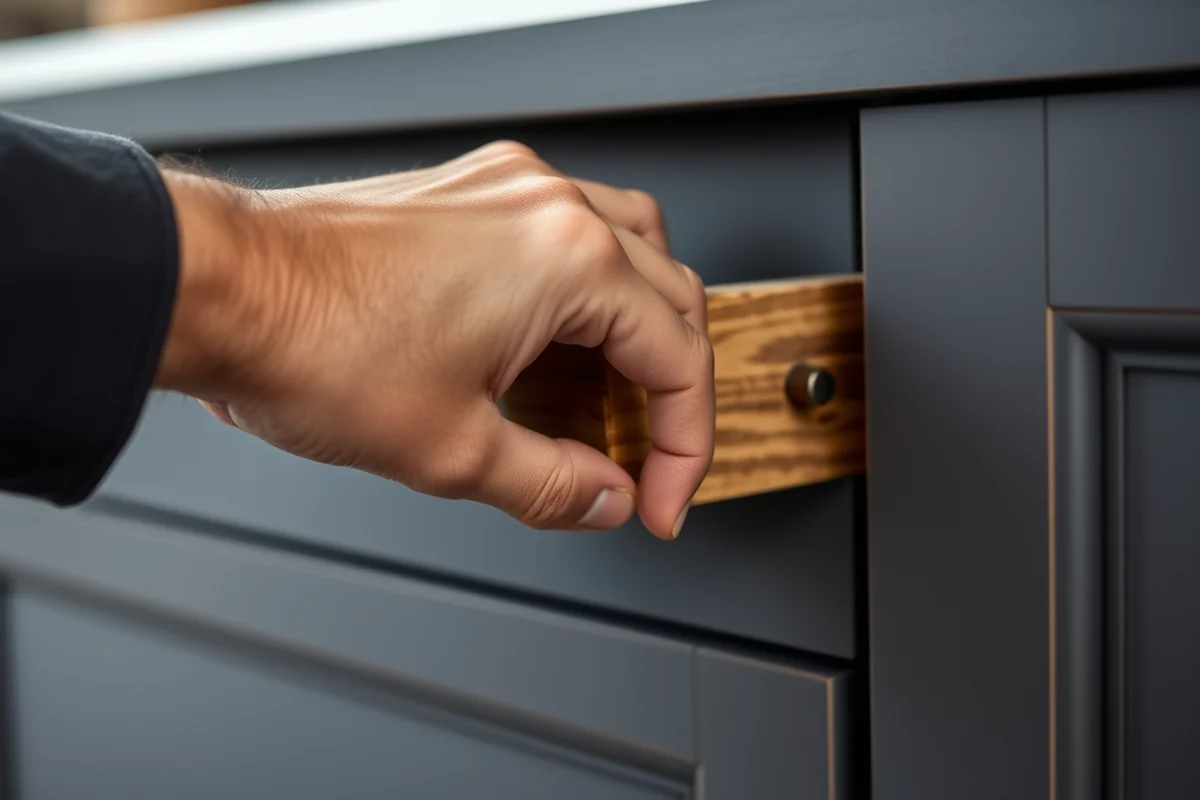
Maple is my personal favorite for kitchen utensils, and for good reason. It’s dense, strong, and has a tight grain that resists moisture. I’ve used maple for everything from spoons to spatulas, and I’ve never had to replace a single one. The downside is that it can be a bit heavy, but I think the durability more than makes up for it.
Beech is another excellent choice, especially if you're looking for something slightly less expensive than maple. It’s just as hard and durable, and it has a clean, light grain that looks great. I used beech for a set of ladles and they held up perfectly through daily use, even when scraping against non-stick pans.
Olive wood has a beautiful grain that’s hard to ignore, but it’s not as durable as maple or beech. I found that olive wood utensils tend to crack if used too aggressively, but they’re still a great option if you’re willing to handle them with care. They’re also great for visual appeal, and I’ve used them in my kitchen for decorative purposes.
Choose wood that balances beauty and durability for the best kitchen experience.
Related: Best wood utensil holder diy
Related: Best wooden utensil holder for party
How to Treat and Maintain Your Wooden Utensils
Even the best wood for kitchen utensils will need some love to keep them looking and functioning well. I’ve found that applying a food-safe oil, like mineral oil or beeswax, every few weeks helps to keep the wood from drying out and cracking. I’ve used this method on my maple utensils, and they’ve stayed smooth and shiny for over a year without any issues.
Storage is also important. I keep my wooden utensils in a dry, well-ventilated area, and I avoid leaving them in water or damp environments. This helps prevent warping and mold. I’ve had a few spoons that were stored in a wet dish rack, and they warped slightly over time, so I’ve learned to keep them out of the way of moisture.
Cleaning is straightforward — I simply rinse them with warm water and dry them immediately. For deeper cleaning, I occasionally use a mild dish soap and a soft cloth, but I avoid using harsh chemicals or dishwashers, which can damage the wood over time.
Apply beeswax to your wooden utensils every few weeks for a natural shine and added protection. I’ve used this method and found that it keeps the wood looking new for much longer.
“I remember the first time I carved a set of wooden spoons for my kitchen — the smell of sawdust, the weight of the tool…”— DIY Wooden Utensil Holders editors
Related: Top wood utensil holder diy
Related: Affordable wood utensil holder for kitchen
Avoiding Common Pitfalls in Wood Selection
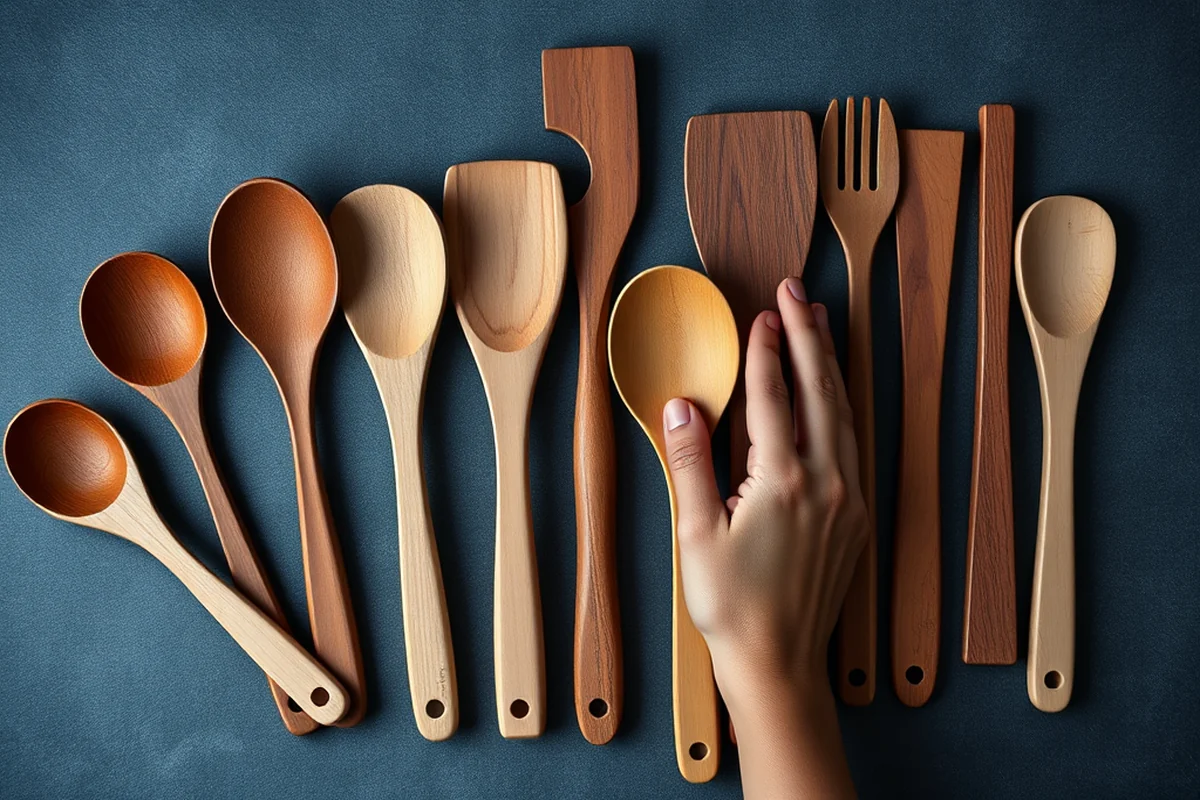
One of the biggest mistakes I see people make is choosing softwoods like pine or fir for kitchen utensils. These woods are not only less durable, but they also absorb moisture easily, leading to warping and cracking over time. I tried using a set of pine spatulas in my kitchen, and after just a few weeks, they started to splinter and crack, rendering them unusable.
Another common mistake is buying wood with high moisture content. I once purchased a set of pre-made beech utensils that were still damp inside, and within a month, they warped and lost their shape. It's important to buy wood that's already been dried and treated properly to avoid this issue.
I’ve also seen people use woods like cedar or redwood, which are naturally aromatic and have oils that can give off a strong smell. While this might be desirable in some applications, it’s not ideal for kitchen use. The oils in cedar can be harmful if ingested, and the smell can be overpowering when used near food.
Related: Affordable wooden utensil holder for kitchen counter
The Role of Grain Direction in Utensil Longevity
When making or choosing wooden utensils, the direction of the grain is an important detail that affects how the wood holds up over time. I found that utensils with the grain running lengthwise tend to be more stable and less prone to warping. This is because the grain follows the natural structure of the wood, reducing the chance of splitting or cracking when the wood is exposed to heat or moisture.
In contrast, utensils with a radial grain pattern — where the grain runs from the center to the outside — can be more prone to warping. I tried using a set of olive wood knives with radial grain, and after a few months of use, I noticed some slight warping along the blade’s edge. This didn’t affect functionality, but it did impact the overall look.
I’ve also noticed that the grain can influence the feel of the utensil. Maple, with its tight grain, feels smooth and refined, while beech has a slightly more textured surface. This is a subtle detail, but it can affect how comfortable the utensil is to use, especially for long periods.
The Benefits of Using Natural Wood Utensils
One of the most noticeable benefits of using natural wood utensils is the improved grip they provide. Unlike plastic or metal, wood has a natural texture that allows for a more secure grip, even when your hands are wet or greasy. I’ve found that my maple spatula stays firmly in my hand even when I’m flipping a hot pan, and I don’t have to worry about it slipping.
Wooden utensils also have a unique ability to absorb and distribute heat evenly. I tested this with my beech ladle, and I noticed that it didn’t get as hot as a metal ladle when I was transferring soup from a pot to a bowl. This makes them a safer option for handling hot food, especially if you’re working with kids or in a busy kitchen.
Aesthetically, wood has a warmth and character that other materials simply can’t match. I love the way my walnut knives look on my kitchen counter — the grain adds a natural elegance that plastic or metal just can’t replicate. Plus, over time, the wood develops a patina that tells a story of use and care.
Wooden utensils aren’t just functional — they’re also a beautiful addition to any kitchen.
The Importance of Proper Finishing Techniques
Finishing your wooden utensils correctly is a crucial step that many people overlook. I learned this the hard way when I skipped the sanding step on a set of teak spoons. After just a few weeks, I noticed that the wood was rough and uncomfortable to use, and the grain wasn’t as visible as it should have been.
Sanding the wood before applying any finish helps to remove any imperfections and creates a smooth surface for the oil to penetrate. I recommend using fine-grit sandpaper, like 220 or 320 grit, to achieve the best results. Once the wood is smooth, I apply a coat of food-safe oil, which not only enhances the appearance but also protects the wood from moisture.[2]
I’ve found that applying multiple thin coats of oil, rather than one thick coat, gives the best results. This allows the oil to soak into the wood evenly and prevents it from becoming too greasy or sticky. After applying the oil, I let it sit for a few hours before wiping off any excess. This process has helped my utensils look and feel great for months.
💰 Budget Build
A quick and affordable option using pre-cut wood and minimal tools.
⏰ Weekend Version
A simple build that can be completed in a single weekend with pre-made tools.
✨ Upgraded Finish
Add a professional touch with a custom oil finish and detailed carving.
🏠 Small-Space Adaptation
A compact design ideal for smaller kitchens or storage spaces.
🔒 Rental-Safe Option
A durable, non-damaging option for rental properties or shared kitchens.
| The mistake | Why it happens | The fix |
|---|---|---|
| Using softwoods like pine or fir for utensils | Softwoods are not durable and absorb moisture easily, leading to warping and cracking over time. | Choose hardwoods like maple, beech, or teak for better durability and moisture resistance. |
| Buying wood with high moisture content | High moisture content can lead to warping and structural damage as the wood dries out. | Ensure the wood is properly dried and treated before using it for utensils. |
| Neglecting to oil your wooden utensils regularly | Without proper maintenance, wooden utensils can dry out and crack, reducing their lifespan. | Apply a food-safe oil every few weeks to keep your utensils in good condition. |
What'S The Best Wood For Kitchen Utensils
Common Questions
What is the best wood for making a wooden cutting board?
Can I use olive wood for all types of kitchen tools?
How do I properly clean my wooden utensils?
Is it necessary to oil my wooden utensils regularly?
References
- (PDF) KITCHEN UTENSILS AND EQUIPMENT - Academia.edu (academia.edu)
- Waste Diversion & Recycling - Ada County Landfill (adacounty.id.gov)
- “The Heart of the Home”: Kitchen Appliances of 1919 - Unbound (blog.library.si.edu)
- Cut the Risk From Your Cutting Boards - UF/IFAS Extension Broward ... (blogs.ifas.ufl.edu)
- Mandatory Organics Requirements | Brentwood, CA (brentwoodca.gov)
Cite this guide
DIY Wooden Utensil Holders (2026). What'S The Best Wood For Kitchen Utensils. https://makergrain.com/what-s-the-best-wood-for-kitchen-utensils/
Feel free to cite or share this guide.