
What Is A Cutlery Holder
📖 Table of Contents
- What is a Cutlery Holder and How Does It Work?
- Why a Cutlery Holder Is a Game-Changer for Your Kitchen
- How to Choose the Right Cutlery Holder for Your Kitchen
- DIY Cutlery Holder: A Step-by-Step Overview
- Customization Tips for a Personalized Cutlery Holder
- The Benefits of a DIY Cutlery Holder vs. Store-Bought Options
- Tips for Maintaining Your DIY Cutlery Holder
- Make It Your Way
- Frequently Asked Questions
I remember the first time I walked into a kitchen that had a cutlery holder — it was like stepping into a well-organized dream. Before that, I'd spent hours each morning searching for spoons, knives, and forks, which made even the simplest of breakfasts feel chaotic. A cutlery holder is more than just a place to keep your utensils; it's a practical, elegant solution to a problem that many of us take for granted. The keyword here, 'what is a cutlery holder,' is not just a question — it's a gateway to understanding how a small piece of furniture can transform your daily routine.[1]
In my own experience, making a cutlery holder from scratch was one of the most rewarding DIY projects I've ever undertaken. It’s not just about the final product; it's about the process of crafting something that fits your kitchen precisely. I used a simple piece of wood, some screws, and a few basic tools, and it took me less than a weekend. The result was a functional, beautiful, and personalized addition to my space. The moment I placed my utensils inside, it felt like a small act of self-care — a way to bring order to the chaos.
Cutlery holders come in a variety of shapes and sizes, but their purpose remains the same: to keep your kitchen organized and your life a little easier. Whether you're a seasoned DIY enthusiast or a complete beginner, the concept of a cutlery holder is both simple and impactful. As I've learned through trial and error, even the smallest details — like the depth of the slots or the angle of the holder — can make a big difference in how well it functions. So if you're wondering 'what is a cutlery holder,' you're on the path to discovering a tool that could change the way you interact with your kitchen every day.[2]
Why You'll Love This DIY Cutlery Holder
- Customizable to match your kitchen's style and color palette
- Adds functional storage without compromising on aesthetics
- Reduces daily clutter and streamlines kitchen tasks
- An affordable, quick-to-make project with long-term benefits
What is a Cutlery Holder and How Does It Work?
As of September 2026, at its core, a cutlery holder functions by providing individual slots or compartments for each utensil. This prevents them from clumping together or getting lost in a drawer. I made a version with four slots, one for each type of utensil, and it immediately cut down on the time I spent searching for a spoon in the morning.
Cutlery holders can be wall-mounted or freestanding, and they're available in a wide range of materials — wood, metal, plastic, or even repurposed materials like old wine bottles. The key is that they should be both durable and easy to clean. I used wood because it felt warm and inviting, and it gave my kitchen a cohesive look.
The way the utensils are arranged within the holder is important. I found that a slight angle in the slots made it easier to insert and remove utensils, and I used a ruler to ensure the spacing was even. This small detail made a big difference in how functional the holder was.
When cutting slots for your utensils, use a ruler to ensure they're evenly spaced. This makes the holder more functional and visually balanced.
Part of our Top wooden kitchen utensils and holder guide.
Why a Cutlery Holder Is a Game-Changer for Your Kitchen
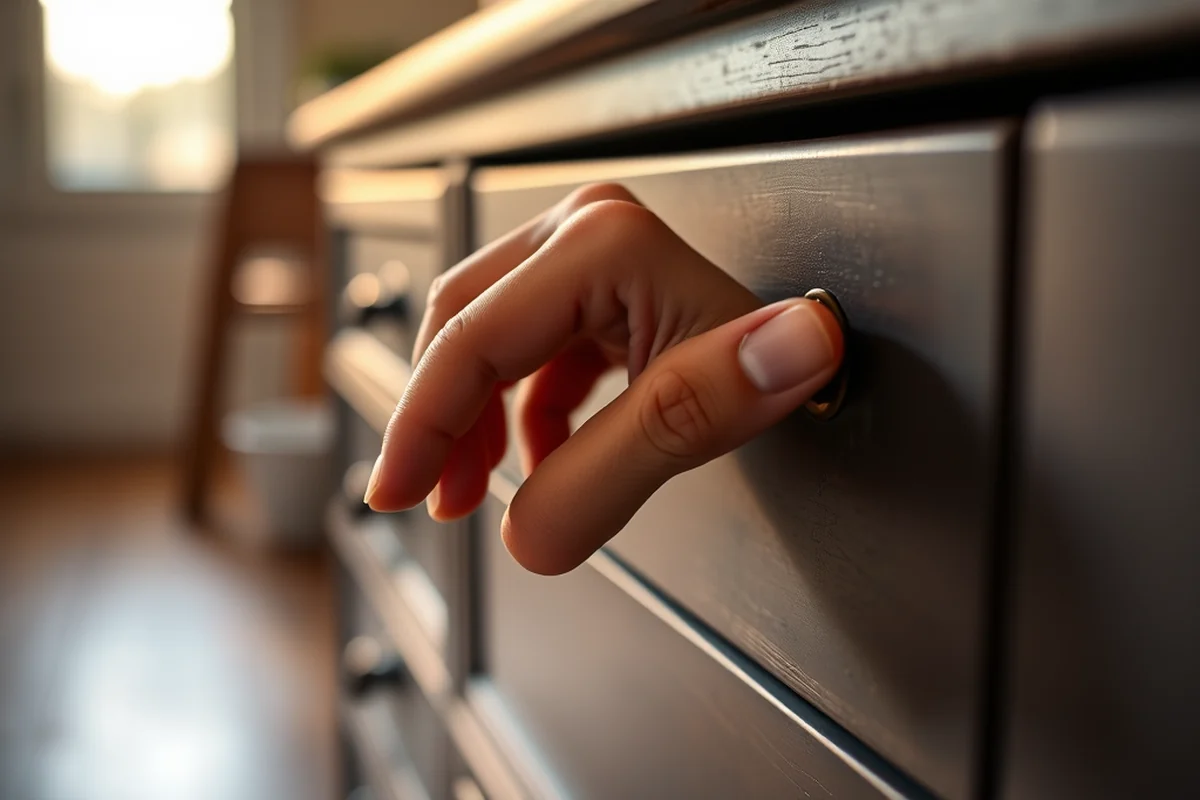
Before I made my cutlery holder, my kitchen drawers were a nightmare. I would spend minutes each day digging through a drawer to find a fork or spoon, which was frustrating and time-consuming. Once I had the holder installed, I could grab my utensils in seconds — and the drawer was finally usable for other items like plates or cups.
The benefit of a cutlery holder isn't just convenience; it's also about hygiene. Utensils stored in a holder are less likely to touch the floor or other surfaces, which is especially important if you're someone who cooks often. I noticed that my utensils stayed cleaner, and I didn't have to sanitize them as frequently.
Also, a cutlery holder adds a layer of visual appeal to your kitchen. When your utensils are neatly arranged, the overall look becomes more polished. I was surprised at how much my kitchen felt more put-together once I had the holder in place.
A cutlery holder isn't just functional — it's a small but powerful way to bring order to your kitchen.
Related: How to wooden utensil and holder
Related: What is silicone kitchen utensils
Related: What is kitchen utensils and equipment
Related: Forks Over Knives
How to Choose the Right Cutlery Holder for Your Kitchen
The first thing to consider is the size of your kitchen. If you have a large kitchen, a wall-mounted holder with multiple slots might be ideal. For a small kitchen or a minimalist style, a freestanding holder with fewer slots might be better. I chose a small, freestanding version that sat on my counter and didn't take up much space.
Material is another key factor. Wood is a popular choice because it's durable, easy to clean, and can be painted or stained to match your decor. I used a maple wood board, which was easy to work with and gave my kitchen a warm, natural look.
Finally, think about how often you'll use the holder. If you're a frequent cook, you may want a more robust design that can withstand daily use. I made sure to use screws and strong adhesives to keep everything in place, and it's held up perfectly over the last few months.
If you're planning to use your cutlery holder daily, choose a material and design that can withstand regular use without showing wear.
“I remember the first time I walked into a kitchen that had a cutlery holder — it was like stepping into a well-organized dream.”— DIY Wooden Utensil Holders editors
Related: Coffee and mug holder
DIY Cutlery Holder: A Step-by-Step Overview
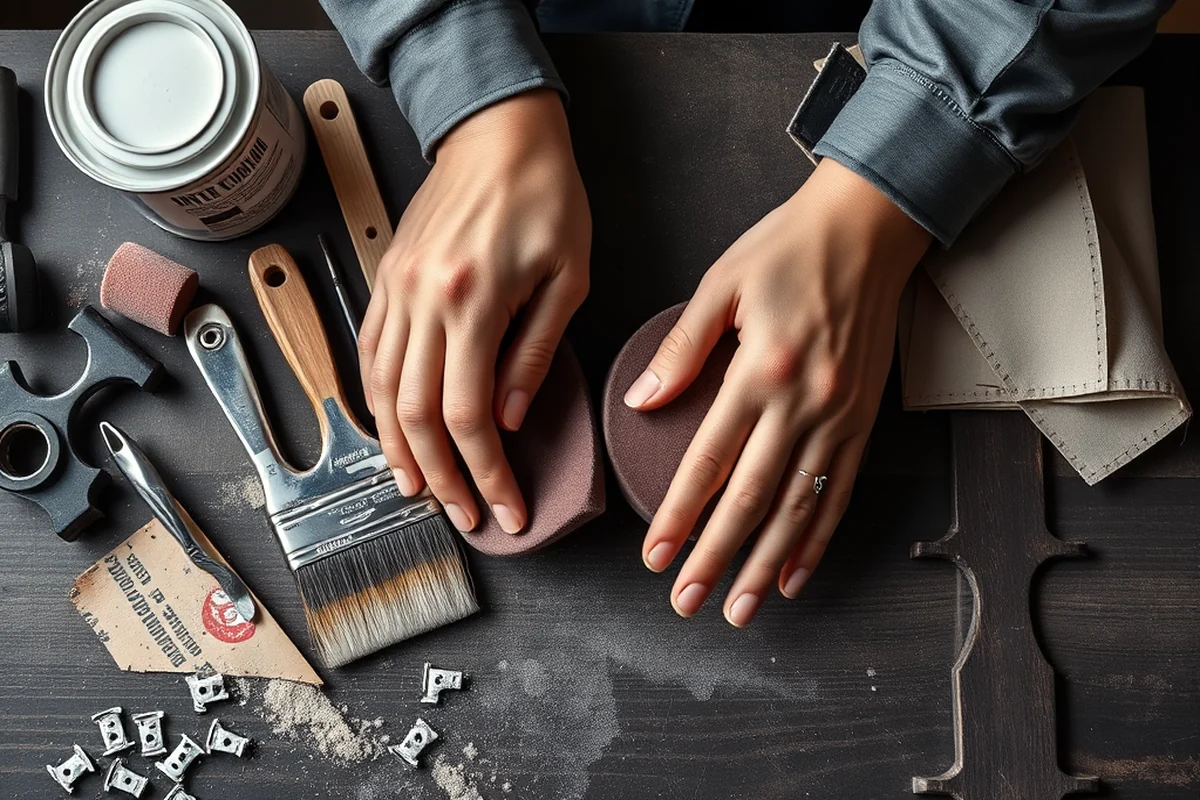
The process starts with selecting a base material — I used a wooden board, which I found at a local hardware store. Once I had the board, I measured and marked where the slots would go, using a ruler to ensure even spacing. I used a jigsaw to cut out the slots, which took me about an hour.
Next, I sanded down the edges to make sure they were smooth and safe to handle. I applied a wood stain and then a clear sealant to protect the surface. The entire process took me one weekend, and it was incredibly satisfying to see the finished product.
Finally, I attached the holder to the wall using screws and a strong adhesive. It was a bit tricky to align it properly, but after a few adjustments, it was secure. The end result was exactly what I had imagined — a functional and beautiful addition to my kitchen.
Customization Tips for a Personalized Cutlery Holder
One of the best parts of making a DIY cutlery holder is that you can customize it to your liking. I painted mine in a light gray color, which complemented my kitchen's neutral tones. You can choose any color that fits your style — from bold and bright to subtle and elegant.
Another way to personalize it is by adding decorative elements, like engraved patterns or hardware. I used small brass handles on the sides, which gave it a more refined look. These details are optional, but they can make a big difference in how the holder looks and feels.
You can even create a unique design by using different types of wood or adding inlay patterns. If you're up for a challenge, this is a great way to make your cutlery holder a true statement piece in your kitchen.
The Benefits of a DIY Cutlery Holder vs. Store-Bought Options
One of the biggest advantages of making your own cutlery holder is the level of personalization it allows. I was able to choose the size, color, and design, which made it feel like a custom-made piece. This is something you can't always get with store-bought options, which are often limited to standard sizes and finishes.
Another benefit is cost. I was able to create a beautiful cutlery holder for under $40, which is much cheaper than most commercial options. This is a great way to save money while still getting a high-quality product.
However, store-bought cutlery holders do have their advantages. They’re often easier to install and come with pre-drilled holes or mounting hardware. If you’re short on time or want something more ready-made, a store-bought option might be the way to go.
DIY cutlery holders offer personalization and cost savings — but store-bought options can be more convenient.
Tips for Maintaining Your DIY Cutlery Holder
Regular cleaning is essential for any cutlery holder. I use a damp cloth to wipe down the surface every week, and I avoid using harsh chemicals that could damage the wood. This helps keep the holder looking new and prevents any buildup of dirt or grime.
If your holder has a painted or stained finish, you should avoid using abrasive materials that could chip the surface. I apply a clear sealant every few months to protect the wood and maintain its appearance.
Finally, make sure to check the screws and mounting hardware periodically to ensure they're still secure. I found that after a few months, one of the screws had loosened slightly, so I tightened it to keep everything in place.
🪵 Budget Build
Create a simple cutlery holder using leftover wood and basic tools — perfect for those on a tight budget.
⏰ Weekend Version
A quick DIY project that can be completed in a single weekend, ideal for those with limited time.
✨ Upgraded Finish
Add a polished look with a stain, paint, or decorative inlay to give your holder a luxurious touch.
📏 Small-Space Adaptation
Design a compact cutlery holder that fits perfectly in small kitchens or apartments.
🔒 Rental-Safe Option
Use a removable, temporary cutlery holder that doesn't require permanent installation — great for renters.
| The mistake | Why it happens | The fix |
|---|---|---|
| Cutting the slots too close together. | If the slots are too close, utensils may not fit properly, leading to a cluttered and inefficient design. | Measure each utensil and leave at least a 1/4 inch of space between slots to ensure proper fit. |
| Using the wrong type of wood. | Some woods are too soft or prone to warping, which can affect the durability of the cutlery holder. | Choose a hardwood like maple or oak for better durability and resistance to warping. |
| Neglecting to sand the edges of the slots. | Rough edges can be uncomfortable to touch and may even splinter over time. | Always sand the edges of the slots thoroughly with fine-grit sandpaper to ensure they're smooth and safe. |
| Not securing the holder properly to the wall. | A poorly secured holder can become loose over time, which is a safety hazard and reduces its functionality. | Use strong screws and a reliable adhesive to ensure the holder is firmly attached to the wall. |
What Is A Cutlery Holder
Common Questions
Can I make a cutlery holder without any woodworking skills?
What type of wood is best for a DIY cutlery holder?
How do I ensure the slots are the right size for my utensils?
Is it possible to paint or stain a wooden cutlery holder?
References
- GRAND JURY 2019-05-31_V1 (sent 6-20-19) (portland.gov)
- BUILDER BASIC - Department of War (media.defense.gov)
Cite this guide
DIY Wooden Utensil Holders (2026). What Is A Cutlery Holder. https://makergrain.com/what-is-a-cutlery-holder/
Feel free to cite or share this guide.