
What Is Kitchen Utensils And Equipment
📖 Table of Contents
- What Exactly Are Kitchen Utensils and Equipment?
- Why Kitchen Utensils and Equipment Matter in DIY Projects
- Materials and Construction: What to Look For
- Organizing Kitchen Utensils and Equipment for Efficiency
- Customizing Your Kitchen Utensils and Equipment
- The Role of Kitchen Utensils and Equipment in Everyday Life
- Choosing the Right Utensils for Your Kitchen Style
- Make It Your Way
- Frequently Asked Questions
I still remember the first time I walked into a well-organized kitchen, everything from the knives to the ladles having their own place. It wasn't just about aesthetics — it was about efficiency. As a DIY enthusiast who's built everything from wooden shelves to custom tool racks, I've learned that kitchen utensils and equipment are the unsung heroes of any space. They're not just tools; they're the silent workers that make cooking, cleaning, and organizing a breeze. If you're new to the world of kitchen organization, this article will help you understand what exactly constitutes kitchen utensils and equipment, and why they matter more than you might think.[2]
Kitchen utensils and equipment are the backbone of any functional kitchen, whether you're a seasoned chef or a casual home cook. They range from simple tools like cutting boards and ladles to more complex pieces like dishwashers and food processors. What's fascinating is how much these tools can impact your daily routine — a well-chosen utensil can save minutes every day, while a poorly selected one can lead to frustration and wasted time. I've spent years testing and refining my own kitchen setup, and I can tell you from personal experience that the right tools can transform the way you work in your space.[3]
Understanding what is kitchen utensils and equipment is more than just knowing the names of tools. It's about grasping the hierarchy of function, material, and design. For instance, a wooden spoon is not just a utensil — it's a tool that must withstand high heat, resist moisture, and offer a comfortable grip. When I built my first custom utensil holder, I realized that choosing the right materials and ensuring proper organization can change the way you interact with your kitchen tools. That's why this article is here: to help you handle the world of kitchen tools and create a setup that works for your unique needs.[4]
Why You'll Love This DIY Kitchen Setup
- Elevate your kitchen's functionality and aesthetics with custom-made utensil holders.
- Save time and reduce clutter by organizing tools logically and efficiently.
- Create a personalized space that reflects your style and meets your practical needs.
- Enjoy a sense of accomplishment and pride from building your own kitchen tools.
What Exactly Are Kitchen Utensils and Equipment?
As of September 2026, Kitchen utensils and equipment are the tools that help you make, store, and serve food. From knives and cutting boards to refrigerators and ovens, these tools are essential to any kitchen. When I first started building my own utensil holders, I realized that not all tools are the same — some are designed for heavy use, while others are for occasional tasks. Understanding the difference between a cutting board and a countertop organizer is key to creating an efficient kitchen setup.[5]
The distinction between utensils and equipment can be subtle. Utensils are typically handheld tools used in food preparation, such as spatulas, ladles, and whisks. Equipment refers to larger appliances that are used for cooking, such as blenders, toasters, and dishwashers. In my own kitchen, I've found that grouping utensils by function and equipment by purpose makes the space feel more organized and easier to navigate.
Selecting the right utensils and equipment is a balance between practicality and personal preference. For instance, a stainless steel ladle is more durable than a plastic one, but it might not be as comfortable to use. When I designed my first set of utensil holders, I made sure to include both storage and display features, allowing me to choose the right tools for each task.
When building your own utensil holders, always measure the tools you want to store first. I once made a holder that didn't fit my knives because I skipped the measuring step — a small mistake that cost me both time and materials.
Part of our Top wooden kitchen utensils and holder guide.
Why Kitchen Utensils and Equipment Matter in DIY Projects
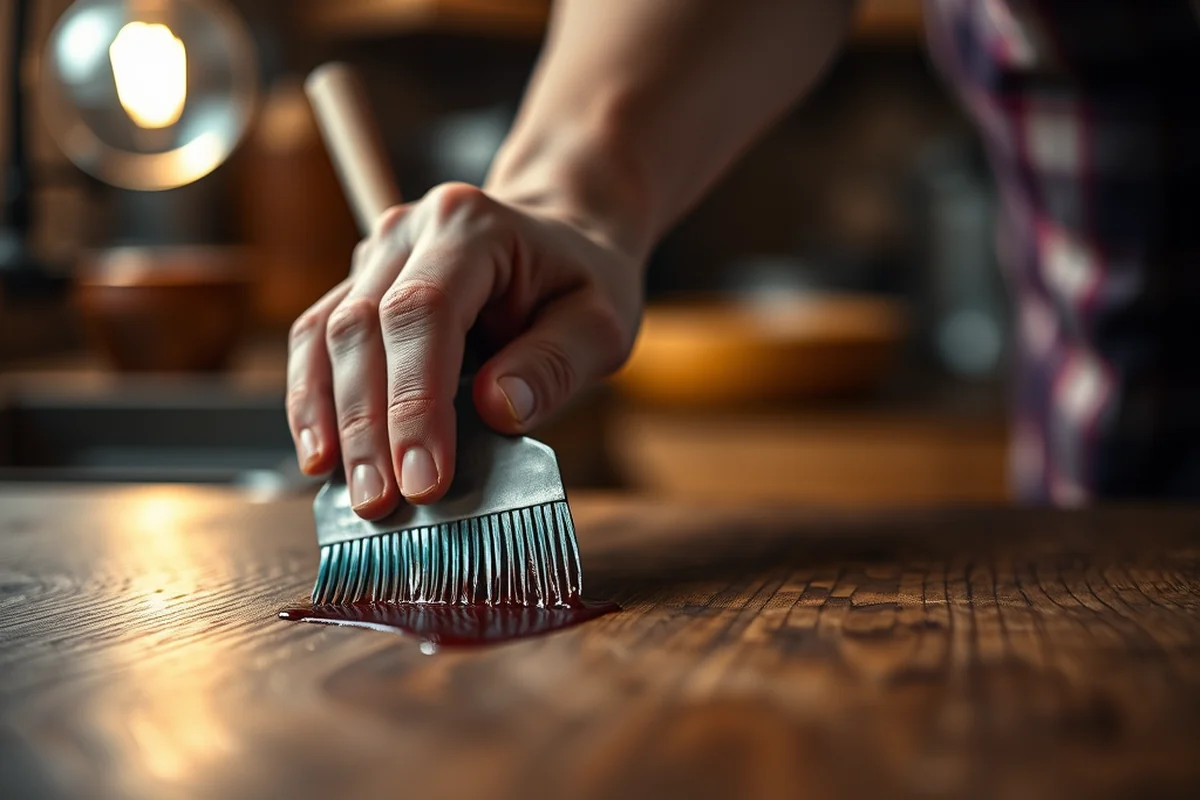
When you're working on a DIY kitchen project, the right tools can make all the difference. Whether you're building a cutting board or installing a new countertop, having the right utensils on hand can save you time and frustration. I've found that using quality tools, even for small tasks, leads to better results and less wear and tear on your hands.
Kitchen equipment like knives and cutting boards are not just for cooking — they can also be used in DIY work. For example, a sharp knife can help you make precise cuts when working with wood or fabric. I've used my kitchen knives to trim dowels and cut fabric for my own projects, and it's always surprising how useful they can be outside the kitchen.
Incorporating the right tools into your DIY kitchen setup can also help you stay organized and efficient. When I started building my own utensil holders, I realized that having a dedicated space for each tool made it easier to find what I needed and kept my workspace tidy.
The right tools can turn a chaotic kitchen into a well-organized haven.
Related: What is silicone kitchen utensils
Related: What is a cutlery holder
Related: Affordable wooden kitchen utensils with holder
Materials and Construction: What to Look For
The materials you choose for your kitchen utensils and equipment can impact their durability, performance, and longevity. For example, stainless steel is a popular choice for knives and cutting boards because it's resistant to rust and easy to clean. When I built my first set of utensil holders, I used a combination of wood and metal, which gave the project a sturdy and elegant finish.
Construction techniques are just as important as materials. A well-joined utensil holder or a properly sealed cutting board can last for years with proper care. I've learned through trial and error that using the right adhesives and finishes can make a huge difference in the quality of your DIY projects.
Investing in quality materials and construction techniques can save you money in the long run. A well-built utensil holder or cutting board may cost more upfront, but it will last longer and require less maintenance. I've found that taking the time to select the right materials and techniques can lead to a more satisfying DIY experience.
When building utensil holders, I recommend using a hardwood like maple or oak for durability. I once used pine, and it warped over time because it's not as stable as the other options.[1]
“I still remember the first time I walked into a well-organized kitchen, everything from the knives to the ladles having their own place.”— DIY Wooden Utensil Holders editors
Related: Coffee and mug holder
Organizing Kitchen Utensils and Equipment for Efficiency
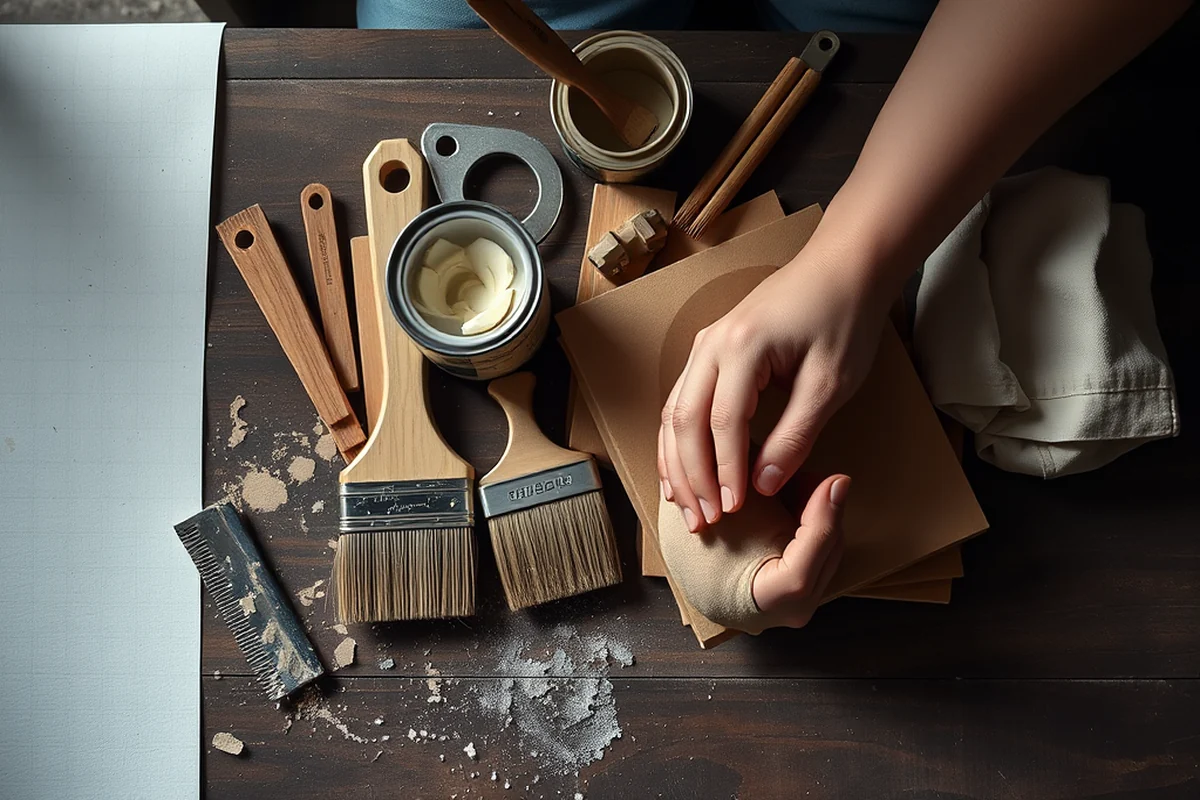
One of the most frustrating parts of a disorganized kitchen is having to search for the right tool when you need it. Organizing your utensils and equipment by function, frequency of use, and storage space can make a huge difference. When I first started organizing my kitchen, I realized that grouping similar tools together made it easier to find what I needed.
I've found that using vertical space is one of the best ways to maximize storage without overcrowding your kitchen. For example, using a hanging utensil holder on the back of a cabinet allows me to keep my tools within reach without taking up valuable counter space. It's also easier to clean and maintain.
Proper organization can also help you spot missing or damaged tools more easily. I've noticed that when my utensils are stored in designated places, it's much easier to see when something is missing or needs to be replaced. This small change has made my kitchen more efficient and enjoyable.
Related: How to wooden utensil and holder
Customizing Your Kitchen Utensils and Equipment
One of the best things about DIY projects is the ability to customize your tools to fit your unique needs. Whether you're creating a custom utensil holder or building a storage solution for your equipment, there are endless possibilities. When I started building my own holders, I realized that adding small details like a handle or a magnetic strip made a big difference in usability.
Customizing your kitchen tools allows you to choose the right size, shape, and material for your specific needs. For instance, if you're a left-handed cook, you might want to design your utensil holders to accommodate that preference. I've found that even small customizations can make a big difference in comfort and efficiency.
Creating a personalized setup also gives you a sense of ownership and pride. When I finished my first custom utensil holder, I felt a deep sense of accomplishment. It was more than just a tool — it was a reflection of my style and practical needs.
The Role of Kitchen Utensils and Equipment in Everyday Life
From the moment you wake up to the moment you go to bed, kitchen utensils and equipment are in use. Whether you're preparing breakfast, cleaning up, or storing leftovers, the right tools can make a difference. I've noticed that having the right tools on hand can help me complete tasks faster and with less effort.
The impact of these tools is often underestimated. A simple cutting board can help you chop ingredients faster, while a well-designed utensil holder can make your kitchen feel more organized. I've found that the small changes, like using a non-slip mat or a properly sized ladle, can make a big difference in daily tasks.
Understanding the role of kitchen utensils and equipment is essential for anyone looking to improve their kitchen space. When I first started building my own tools, I didn't realize how much of a difference a well-designed utensil holder could make. It's not just about storage — it's about making your kitchen work for you.
A kitchen is only as good as the tools it uses.
Choosing the Right Utensils for Your Kitchen Style
The style of your kitchen plays a big role in the types of utensils and equipment you should choose. For example, a modern kitchen might benefit from sleek, minimalist tools, while a rustic kitchen might look better with wooden utensils and vintage-style equipment. When I designed my first set of utensil holders, I made sure to choose materials and finishes that matched the overall style of my kitchen.
Functionality is just as important as style. Even the most beautiful utensil holder won't be useful if it doesn't fit your tools or your space. I've found that using a combination of practical and stylish tools can make your kitchen both functional and visually appealing.
Choosing utensils that match your personal style and practical needs can help you create a kitchen that feels like home. When I finished building my first set of utensil holders, I felt like I had created a space that was both beautiful and efficient.
💰 Budget Build
A low-cost version using readily available materials and simple construction techniques.
⏰ Weekend Version
A quick and easy build that can be completed in just a few hours.
✨ Upgraded Finish
An enhanced version with decorative elements and higher-quality materials.
🏠 Small-Space Adaptation
A compact design that's perfect for kitchens with limited storage space.
🔒 Rental-Safe Option
A build that uses removable and reusable components, ideal for renters.
| The mistake | Why it happens | The fix |
|---|---|---|
| Not measuring utensils before building holders | If you skip measuring, your utensils may not fit properly, leading to a poorly functioning holder. | Always measure your tools and take note of their dimensions before starting the build. |
| Using the wrong type of wood | Using softwoods like pine can lead to warping or damage over time. | Opt for harder woods like maple or oak for a more durable and stable finish. |
| Skipping the finishing steps | Failing to sand or seal your utensil holders can lead to rough edges and a shorter lifespan. | Always sand your project thoroughly and apply a protective finish like wood oil or polyurethane. |
| Not considering storage space | Ignoring the available storage space can lead to an overcrowded and inefficient layout. | Plan your design around the available space and consider using vertical storage to maximize efficiency. |
What Is Kitchen Utensils And Equipment
Common Questions
What are the best materials for DIY utensil holders?
How can I make my utensil holders more organized?
What tools do I need to build a custom utensil holder?
Can I use my kitchen utensils for DIY projects?
References
- (PDF) KITCHEN UTENSILS AND EQUIPMENT - Academia.edu (academia.edu)
- Keep it simple: How to use adaptive cooking devices (blogs.bcm.edu)
- Household kitchen utensils and appliances may not be adequate for ... (canr.msu.edu)
- Culinary Worker II (Blue Wall) - Amherst, Massachusetts, United States (careers.umass.edu)
- Rule 3717-1-04.5 | Equipment, utensils, and linens - Ohio Laws (codes.ohio.gov)
Cite this guide
DIY Wooden Utensil Holders (2026). What Is Kitchen Utensils And Equipment. https://makergrain.com/what-is-kitchen-utensils-and-equipment/
Feel free to cite or share this guide.