
Wooden Utensil Kitchen Holder Benefits
📖 Table of Contents
I still remember the first time I built my own wooden utensil kitchen holder. It was a late afternoon on a rainy Saturday, and I was tired of watching plastic utensils clatter around my kitchen counter. I had a vague idea of what I wanted — a simple, sturdy holder that would keep my wooden spoons and spatulas organized and out of the way. What I didn’t expect was how much this one project would change the way I thought about storage in my kitchen. That small, handcrafted piece of furniture not only solved a problem but became a symbol of my growing confidence in DIY projects.[4]
The wooden utensil kitchen holder isn’t just about functionality — it’s about adding personality to your space. I’ve seen so many people go for minimalist, sleek storage solutions, but I love the warmth and character that wood brings. It feels alive, like it’s part of the room. And the best part? It’s something you can build yourself, with just a few basic tools and some time on the weekend. I’ve made mine from reclaimed pine, and the way the wood aged over time only made it more charming. It’s not just a holder — it’s a statement.
But beyond the aesthetics, there are real, tangible benefits that I discovered through use. My kitchen has always felt cluttered, even when things were neatly arranged. But once I installed my wooden utensil kitchen holder, the chaos disappeared. I could see everything at a glance, and nothing got lost in the back of a cabinet or on a counter. It’s one of those small, clever solutions that make life easier — and that’s exactly what I love about DIY projects. They’re not just about building something; they’re about improving your daily life in little, meaningful ways.
Why You'll Love This Wooden Utensil Kitchen Holder
- It adds warmth and character to your kitchen with natural wood.
- It keeps your utensils organized and within easy reach.
- It’s a great DIY project that takes just a weekend to complete.
- It’s a long-lasting, customizable storage solution.
How It Improves Kitchen Organization
As of August 2026, before I built my wooden utensil kitchen holder, I had a drawer full of spoons, spatulas, and tongs that would often end up buried under other items. Once I mounted my custom holder on the wall, everything had a place. It wasn’t just about having space — it was about making it easy to find what I needed without digging through a drawer. I’ve noticed that now, I don’t waste time searching for a spatula or a ladle.[1]
The visibility factor is huge. I can see exactly what I have at a glance, and I know where everything is. It’s like having a mini inventory system for my kitchen. It makes me more efficient, and honestly, it’s one of the few kitchen upgrades that actually pays for itself in terms of time saved.
I’ve also found that having the utensils on display encourages me to use them more. When they’re tucked away in a drawer, I forget they’re there. But when they’re hanging on a wall, they become part of the kitchen’s personality. It’s a win-win for both aesthetics and functionality.
Before cutting your wood, sort out all the utensils you want to display. This helps you determine the size and spacing needed for the holder.
Part of our Wood utensil holder for kitchen checklist guide.
Customization and Personalization

One of the best parts of making a wooden utensil kitchen holder is how customizable it is. I chose a rustic pine finish because it matched the rest of my kitchen’s decor, but you could paint it, stain it, or even add decorative elements like inlays or carvings. It’s a blank canvas that can be adapted to suit any design preference.
I also had the option to adjust the number of slots based on how many utensils I wanted to display. If you have a large collection of spoons and knives, you can make a larger holder. If you're more minimal, you can keep it simple with just a few slots. It’s all about what works for your space.
I painted mine with a natural wood stain that emphasized the grain of the pine. It gave it a warm, aged look that I really loved. The beauty of a wooden utensil kitchen holder is that it can evolve with your taste and style over time — no need to replace it when your decor changes.
A wooden utensil kitchen holder is a canvas for your creativity.
Related: Why wooden utensil kitchen holder
Related: Wooden utensil holder for kitchen counter benefits
Related: Wood utensil holder diy comparison
Related: Wooden utensil holder ideas checklist
Related: Utensil holder for countertop
Related: Wooden Utensil Kitchen Holder Vs
Related: Affordable Wooden Utensil Kitchen Holder
Related: Top Wooden Utensil Holder
Cost-Effective and Sustainable
I was surprised by how affordable it was to build my own wooden utensil kitchen holder. I bought the wood from a local hardware store and used some leftover paint and stain I had at home. The total cost was under $40, which is way cheaper than buying a high-quality commercial holder. Plus, it’s a great way to reduce waste by repurposing old materials or using reclaimed wood.[2]
I used reclaimed pine from an old piece of furniture I had in storage. It was already weathered, so it gave the holder a rustic charm. If you’re not into reclaimed wood, you can still find affordable options at home improvement stores. The point is, you don’t need to spend a lot to make a beautiful, functional kitchen accessory.
Building your own holder also means you’re reducing your environmental footprint. Store-bought holders are often made from synthetic materials that aren’t eco-friendly. By making your own, you get to choose sustainable materials and avoid the waste from manufacturing and shipping.
Consider using reclaimed wood or repurposed materials to give your holder a one-of-a-kind, eco-friendly appearance.
“I still remember the first time I built my own wooden utensil kitchen holder.”— DIY Wooden Utensil Holders editors
Durable and Long-Lasting
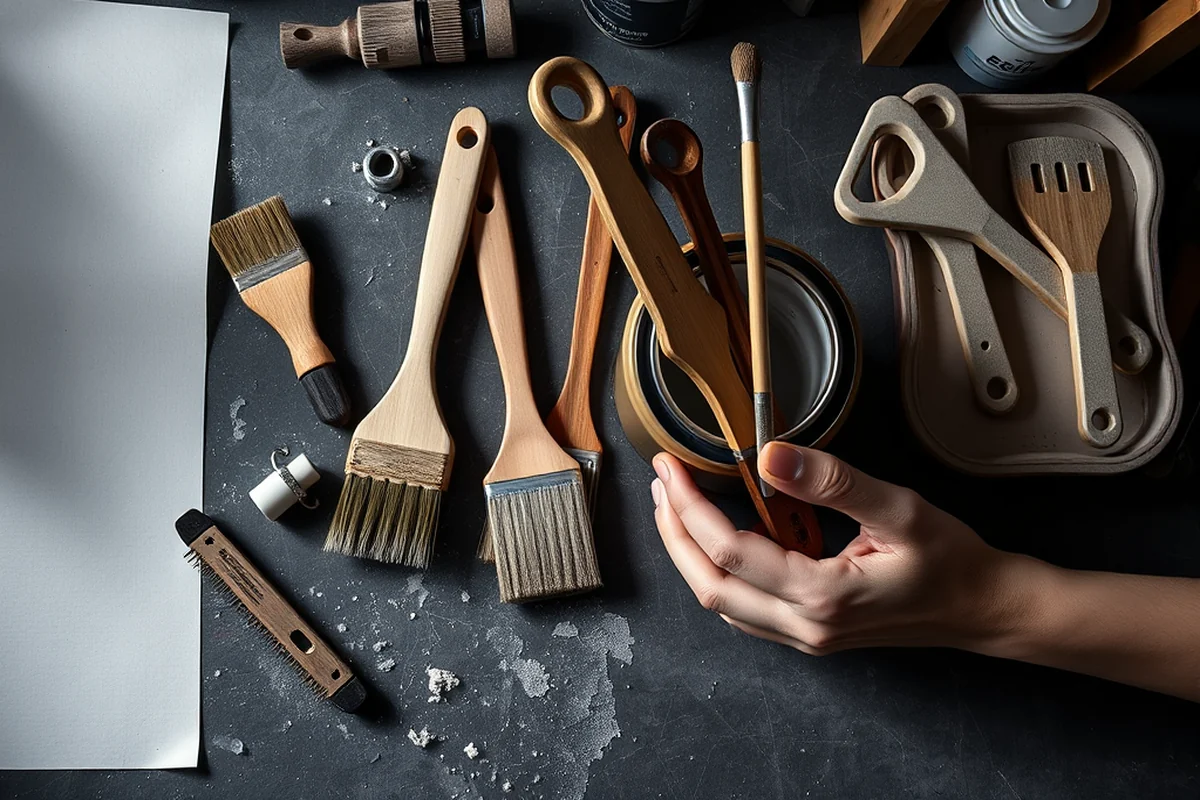
I’ve had my wooden utensil kitchen holder for over a year now, and it’s still in perfect condition. It doesn’t creak, it doesn’t warp, and it holds up well even with daily use. The quality of the wood and the finish I used have made a big difference in how long it lasts.
I used a waterproof wood sealant on the surface to protect it from moisture, which is especially useful in a kitchen. I’ve noticed that even after spills and cleaning, the wood doesn’t show signs of wear. It’s a small investment in terms of cost and time, but the payoff is a holder that will last for years.
I’ve also noticed that the wooden utensils I display on the holder seem to last longer. The wood doesn’t corrode or scratch like metal or plastic holders might, and it doesn’t trap moisture like some materials can. It’s a win for both the utensils and the holder itself.
Easy to Build and Modify
I was a complete beginner when I started building my wooden utensil kitchen holder, but I found the process surprisingly straightforward. You don’t need advanced carpentry skills — just a few basic tools like a saw, drill, and screwdriver. The plan was easy to follow, and the instructions were clear.
I had to measure the size of the utensils I wanted to display before cutting the wood. It took a few minutes to adjust the measurements, but once I had everything in place, the assembly was quick and painless. I even used some leftover wood scraps from another project, which saved me some money and reduced waste.
The best part is that if you make a mistake, you can always adjust it. I had to sand down one of the slots a bit after I noticed it was a little too tight for a larger spatula. It wasn’t a big deal — just a minor tweak to make everything fit perfectly.
Aesthetic Appeal and Style
I’ve always believed that form and function should go hand in hand, and my wooden utensil kitchen holder is the perfect example of that. It doesn’t just hold my utensils — it looks good while doing it. It adds a warm, natural element to my kitchen that no metal or plastic holder could match.
I chose a simple, minimalist design with clean lines and a natural wood finish. It blends seamlessly with the rest of my kitchen decor. The subtle grain of the wood adds texture without being too flashy. It’s a small detail that makes a big difference in how the space feels.
I also love that the holder is customizable in terms of style. If you want a more modern look, you can paint it in a bold color or add some metallic accents. If you prefer a rustic vibe, you can leave the wood natural or use a darker stain. It’s all about creating something that feels right for your home.
Function meets form in every detail of the wooden utensil kitchen holder.
Space-Saving and Versatile
I live in a small apartment, and space is always a concern. The wooden utensil kitchen holder was a great way to free up counter space without sacrificing storage. Instead of having a cluttered drawer or cabinet, I now have a wall-mounted holder that keeps everything visible and accessible.
The beauty of the design is that it can be mounted on almost any surface — a wall, a cabinet, or even a countertop. I chose to mount mine on the back of a cabinet, which gave me extra storage without taking up any floor space. It’s a clever way to use vertical space, which is especially useful in smaller kitchens.
I also appreciate that the holder is versatile enough to fit different kitchen setups. If you have a large, open kitchen, you can build a larger version with more slots. If you’re working with a tight space, you can keep it simple with just a few slots. It’s all about finding the right balance for your needs.
💰 Budget Build
Use inexpensive materials like pine and basic tools to create a functional holder at a low cost.
⏰ Weekend Version
Build a simple, no-fuss holder in one day using pre-cut wood and minimal assembly.
✨ Upgraded Finish
Add a professional-level finish with paint, stain, or decorative inlays for a polished look.
🏠 Small-Space Adaptation
Create a compact version that fits perfectly in tight corners or small kitchens.
🚪 Rental-Safe Option
Build a holder using temporary adhesives and avoid damaging walls in rental properties.
| The mistake | Why it happens | The fix |
|---|---|---|
| Using the wrong type of wood that warps easily. | Some woods, like softwoods, may not hold up well in humid environments or under heavy use. | Choose a more durable wood like oak or use a waterproof sealant to protect the wood. |
| Incorrectly measuring the slots for the utensils. | Slots that are too tight or too loose can make the holder ineffective and unattractive. | Measure each utensil carefully before cutting the wood to ensure a proper fit. |
| Skipping the sealing step. | Without a sealant, the wood can absorb moisture, leading to warping and damage over time. | Apply a waterproof wood sealant after assembly to protect the holder from moisture and wear. |
| Using poor-quality screws or fasteners. | Weak screws or fasteners can cause the holder to become unstable or fall off the wall over time. | Use high-quality wood screws and ensure they are securely tightened during installation. |
Wooden Utensil Kitchen Holder Benefits
Common Questions
What type of wood should I use for a wooden utensil kitchen holder?
Can I use a wooden utensil kitchen holder in a humid kitchen?
How do I adjust the slots for different-sized utensils?
Can I paint my wooden utensil kitchen holder?
Cite this guide
DIY Wooden Utensil Holders (2026). Wooden Utensil Kitchen Holder Benefits. https://makergrain.com/wooden-utensil-kitchen-holder-benefits/[3]
Feel free to cite or share this guide.
References
- Youth practice STEM in the kitchen with Food, Fun, 4-H Bakes (extension.okstate.edu)
- Cook's Tools: 30 Time-Saving Kitchen Tools | UNL Food | Nebraska (food.unl.edu)
- Food Safety at Home - Food Smart Colorado (foodsmartcolorado.colostate.edu)
- Recycling & Waste | LSU New Orleans (lsuneworleans.edu)