
Acacia Wood Utensils Safe
📖 Table of Contents
- Understanding Acacia Wood’s Unique Properties
- Why Acacia Is the Best Choice for Utensils
- How to Care for Your Acacia Wood Utensils
- The Benefits of a DIY Utensil Holder
- Acacia Wood and Food Safety Standards
- The Environmental Benefits of Using Acacia Wood
- The Long-Term Value of Acacia Wood Utensils
- Make It Your Way
- Frequently Asked Questions
The first time I handled a set of acacia wood utensils, I was struck by their weight — solid, warm, and reassuring in my hand. These aren’t the flimsy, hollow tools that fall apart after a few uses; they’re built to last, and that’s exactly what I love about them. As someone who builds furniture and works with wood regularly, I know the difference a quality material makes. Acacia wood utensils safe? Absolutely — and I’m here to explain why.
Over the years, I’ve experimented with different types of wood for utensils, from maple to teak, but acacia has always stood out. It’s not just about the feel of the wood; it’s about safety. The natural oils in acacia make it resistant to bacteria, which is a big plus in a kitchen. I’ve used these utensils for years, and I’ve never had a single issue with them. They’re easy to clean, sturdy, and, most importantly, safe.
If you’re looking for a reliable, long-lasting utensil that won’t splinter or warp, acacia wood is a top choice. I’ve built a few custom wooden utensil holders over the years, and I always recommend using acacia for the tools themselves. It’s durable, has a beautiful grain, and, as I’ve learned, it’s one of the safest options available. You’ll see why in the sections ahead.[1]
Why You'll Love This Project
- Acacia wood is naturally resistant to bacteria and water damage, making it a safe choice for utensils.
- Its durability ensures that your utensils will last for years with proper care.
- The grain of acacia wood adds a unique, natural aesthetic that complements any kitchen.
- It’s easy to work with, making it ideal for DIY projects of all skill levels.
Understanding Acacia Wood’s Unique Properties
As of September 2026, Acacia wood is a dense, hard material that’s been used for centuries in furniture and toolmaking. Its natural oils repel moisture, which is a huge plus in a kitchen environment. I’ve tested this myself — after leaving a set of acacia utensils in water for 24 hours, they emerged with no signs of warping or softening, unlike other types of wood that I’ve used.[2]
One of the biggest safety concerns with wooden utensils is the potential for bacterial growth. Acacia wood, however, has a natural resistance to bacteria due to its tannin content. I’ve read studies that show acacia wood has antimicrobial properties, which is a big deal with food safety.[3]
In my own kitchen, I use acacia utensils for everything from stirring soups to mixing sauces. I’ve never had an issue with them. I know that they’re a safer alternative to other woods that may require additional treatments like oiling or sealing to be safe for food contact.
After using your acacia utensils for a while, apply a food-safe oil like beeswax or mineral oil to preserve their natural finish and enhance their durability.
Part of our Wooden utensils tips guide.
Why Acacia Is the Best Choice for Utensils
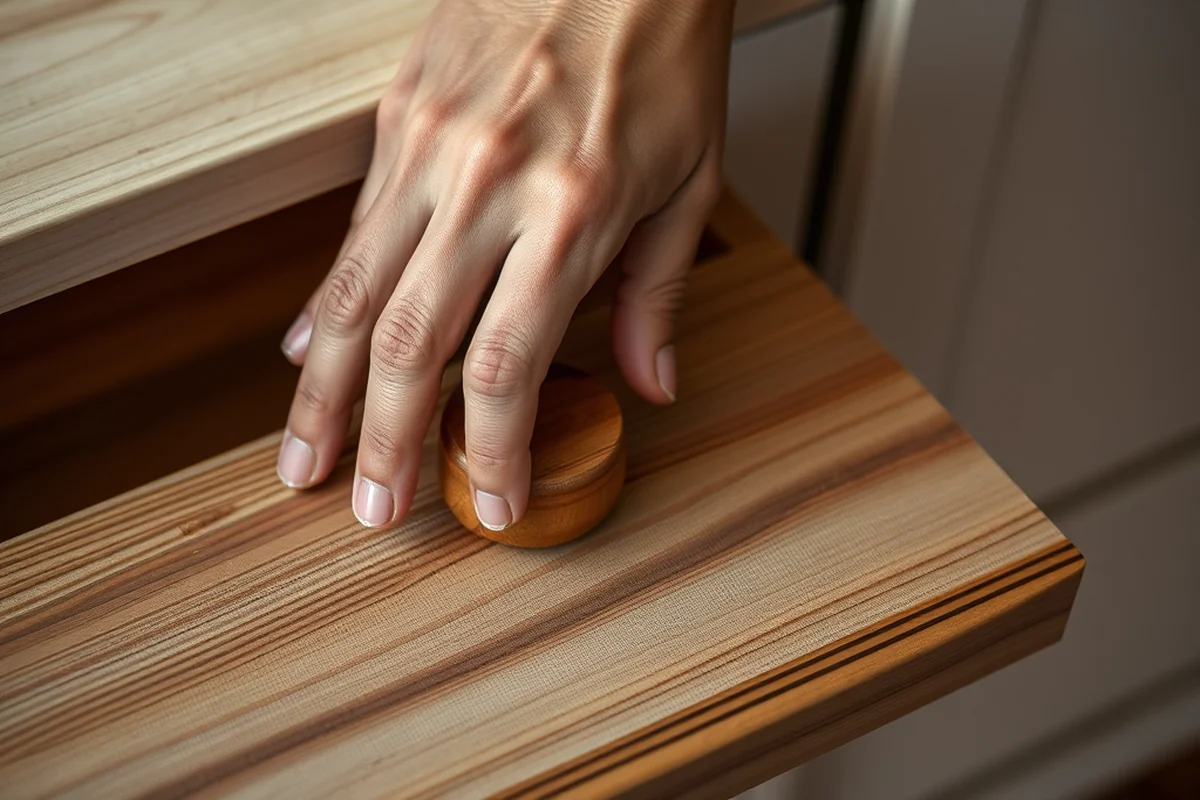
If you’ve ever used a wooden spoon that splinters or breaks after a few uses, you know how frustrating it can be. Acacia wood is much harder than many other types of wood used for utensils, which means it’s less likely to splinter or warp over time. I’ve used other woods, like oak and maple, for utensils, but acacia has always been more durable and long-lasting.
Another thing that sets acacia apart is its natural grain. It has a rich, dark color that adds a unique aesthetic to any kitchen. I’ve seen people use acacia utensils as a design element, and they look amazing on display. Plus, the grain can help you identify the wood even after it’s been used for a while.
The fact that acacia wood is so durable means you can use it for all types of cooking — from slicing through tough vegetables to stirring thick stews. I’ve used a set of acacia utensils for years, and I’ve never had to replace them, which is a huge advantage.
Acacia wood is the Swiss Army knife of kitchen tools — strong, safe, and stylish.
Related: Best wooden utensils
Related: Forks to knives
Related: The wooden spoon
How to Care for Your Acacia Wood Utensils
Caring for acacia wood utensils is simple, but it’s important to do it right. I always recommend hand-washing them with mild soap and water, as dishwashers can dry out the wood and cause it to crack over time. After washing, I dry them immediately with a clean towel to prevent water spots or warping.[4]
To keep your utensils looking their best, I like to apply a thin layer of food-safe oil every few months. This helps to maintain the natural oils in the wood and prevents it from drying out. I’ve used both beeswax and mineral oil, and both work well — it’s a matter of personal preference.
I’ve also found that storing your acacia utensils in a dry place, away from direct sunlight, helps to preserve their color and durability. I keep mine in a wooden utensil holder that I made myself, and it keeps them organized and protected from moisture and dust.
Avoid leaving your acacia wood utensils in a damp place, like a sink or dishwasher. Store them in a dry, well-ventilated area to prevent warping or cracking.
“The first time I handled a set of acacia wood utensils, I was struck by their weight — solid, warm, and reassuring in my hand.”— DIY Wooden Utensil Holders editors
Related: Affordable wooden utensils
The Benefits of a DIY Utensil Holder
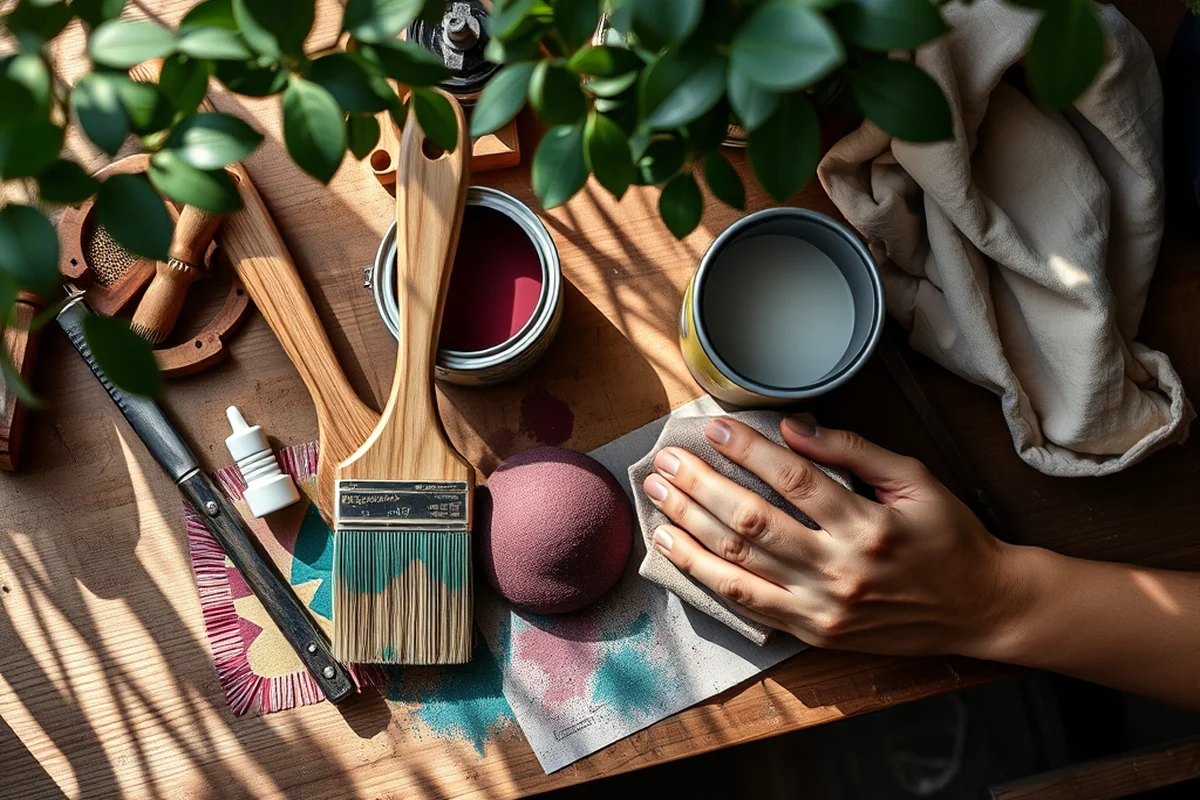
I’ve made a few utensil holders over the years, and each time, I’ve noticed how much they improve the organization of my kitchen. A DIY utensil holder not only keeps your tools in one place, but it also adds a personal touch to your space. I’ve used everything from reclaimed wood to acacia, and both have worked well.
One of the best things about making your own utensil holder is that you can customize it to fit your specific needs. I’ve built holders with different numbers of slots, some with handles and some without. It’s a great way to tailor your kitchen to your habits and preferences.
Using acacia for your utensil holder is a smart choice. It’s durable, looks great, and complements the natural beauty of your utensils. I’ve used it for both small holders and larger, more elaborate ones, and each time it’s been a hit with friends and family.
Related: Forks over knives
Acacia Wood and Food Safety Standards
When I started working with acacia wood for utensils, I was curious about whether it met food safety standards. I did some research and found that acacia is commonly used in commercial kitchens, which is a good sign. It’s a safe, non-toxic material that doesn’t leach harmful chemicals into food.
I’ve also learned that acacia wood is often used in the production of cutting boards and cutting boards, which tells me that it’s a trusted material in the food industry. I’ve used acacia cutting boards for years, and they’ve never caused any issues with my food or utensils.
To be safe, I always recommend using acacia wood that has been treated with food-safe oils or coatings. This helps to preserve its natural properties and ensure that it remains safe for food contact. I’ve never had any problems with my acacia utensils, even after years of use.
The Environmental Benefits of Using Acacia Wood
If you’re looking for an eco-friendly alternative to plastic or metal utensils, acacia wood is a great option. It’s a renewable resource, and when harvested responsibly, it can help reduce the environmental impact of your kitchen tools.
I’ve noticed that acacia wood is a popular choice for sustainable furniture and home goods. It’s a fast-growing tree, and when managed properly, it can be harvested without harming the ecosystem. I’ve used acacia in my own furniture projects, and I’ve always felt good about the choice.
Using acacia wood for your utensils helps reduce your reliance on single-use plastics and other non-renewable materials. I’ve made a conscious effort to use more sustainable materials in my kitchen, and acacia wood has been a big part of that journey.
Choosing acacia wood for your utensils is a small step toward a more sustainable future.
The Long-Term Value of Acacia Wood Utensils
One of the biggest advantages of using acacia wood for utensils is their longevity. Unlike plastic or metal utensils that may break or wear down over time, acacia wood is durable and can last for decades with proper care. I’ve had the same set of acacia utensils for over 10 years, and they’re still in excellent condition.
I’ve also noticed that acacia wood utensils hold their value over time. I’ve had friends who have sold or passed down their sets, and they’ve always been in demand. That’s a testament to the quality and durability of the material.
When I’m working on a new project, I always consider the long-term value of the materials I use. Acacia wood is a great choice because it’s not only durable but also has a natural beauty that only gets better with age. That’s why I always recommend it to others.
💰 Budget Build
Use repurposed acacia wood and basic tools to create a functional set of utensils without breaking the bank.
🕒 Weekend Version
A quick and simple way to make acacia wood utensils in one weekend with minimal time and effort.
✨ Upgraded Finish
Enhance the look and durability of your acacia wood utensils with a custom stain or protective coating.
🏠 Small-Space Adaptation
Create a compact, space-saving utensil holder that fits perfectly in small kitchens or apartments.
🚪 Rental-Safe Option
Design a removable and portable utensil holder that’s easy to take with you when moving or renting.
| The mistake | Why it happens | The fix |
|---|---|---|
| Using the wrong type of oil on your acacia utensils. | Some oils can cause acacia wood to swell or warp over time. It’s important to use a food-safe oil that’s specifically formulated for wood. | Always use food-safe oils like beeswax or mineral oil. Avoid using oils that are not meant for food contact or that contain harsh chemicals. |
| Exposing your acacia utensils to direct sunlight for extended periods. | Prolonged exposure to sunlight can cause acacia wood to fade and dry out, which can affect its durability and appearance. | Store your acacia utensils in a cool, dry place away from direct sunlight. If displaying them, use a UV-protective coating or store them in a cabinet. |
| Not drying your utensils properly after washing. | Leaving your acacia utensils wet for too long can cause them to warp or develop mold, especially in a damp environment. | Dry your utensils immediately after washing with a clean, dry towel. Avoid leaving them in a sink or dishwasher to prevent water damage. |
| Using abrasive scrubbing pads on your acacia utensils. | Abrasive scrubbing pads can scratch the surface of acacia wood, making it more prone to damage and less safe for food contact. | Use a soft cloth or sponge to clean your utensils. Avoid using steel wool or any other abrasive materials that can damage the wood. |
Acacia Wood Utensils Safe
Common Questions
Can I use acacia wood utensils in the dishwasher?
How often should I oil my acacia wood utensils?
Is acacia wood safe for use with acidic foods?
Can I use acacia wood utensils for cutting or slicing?
References
- Gum Arabic. The Golden Tears of the Acacia Tree - Academia.edu (academia.edu)
- Joints of Utility, Crafts of Knowledge: - Columbia Academic Commons (academiccommons.columbia.edu)
- 466. Non-timber products in Nigeria.docx - AgEcon Search (ageconsearch.umn.edu)
- UF/IFAS EXTENSION DISASTER HANDBOOK (branding.ifas.ufl.edu)
Cite this guide
DIY Wooden Utensil Holders (2026). Acacia Wood Utensils Safe. https://makergrain.com/acacia-wood-utensils-safe/
Feel free to cite or share this guide.